- Bow Valley Insider
- Posts
- Banff Tourism Board Changes Strategy: Winter Growth Over Summer Volume
Banff Tourism Board Changes Strategy: Winter Growth Over Summer Volume
A new business plan aims to protect peak-season revenue without adding more visitors, while shifting demand and overnight stays into winter months

Bow Valley Insider
February 05, 2026
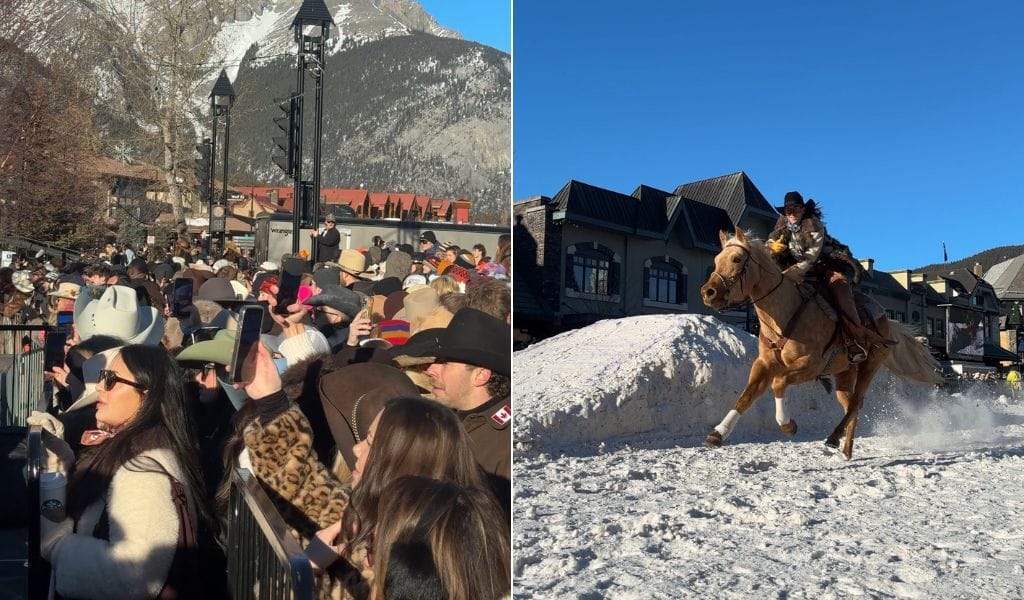
Banff and Lake Louise Tourism’s 2026 business plan makes a clear strategic bet about the future of the destination: summer is no longer where growth should happen. Winter is.
The plan sets out a two-part approach that responds directly to a tension that has been building for years. Peak summer months generate the largest share of tourism revenue, but they also bring the highest levels of congestion, infrastructure strain, and resident frustration. Rather than push for more summer visitors, the organization says its priority is to protect summer revenue without increasing visitation volume, while aggressively expanding overnight demand in winter.
That shift, if successful, would reshape how and when the region grows, and how pressure is distributed across the calendar.
Across the business plan, the language is consistent. Summer is described as the cornerstone of the visitor economy. It is also treated as a season that must be managed carefully. Winter is described as the largest remaining opportunity for demand growth, longer stays, and more stable economic activity.
The strategy is less about attracting more people overall and more about changing who comes, when they come, and how long they stay.
Protecting Summer Revenue Without Adding More Visitors
The plan repeatedly emphasizes that the objective for summer is value, not volume. That is a notable departure from older tourism growth models that focused primarily on rising visitation counts.
For 2026, the organization says it will focus on sustaining the strength of the summer season by encouraging responsible visitation, appealing to visitors who share community and environmental values, and using more precise data to guide marketing decisions. The goal is to generate stronger economic return per visitor rather than higher total foot traffic.
Performance will be measured through indicators such as revenue per available room, occupancy, average overnight trip duration, and visitor satisfaction scores, rather than raw arrival numbers.
Marketing efforts will continue, but with narrower targeting. Instead of broad campaigns aimed at everyone, the organization plans to use its own visitor research and website data to focus ads and messaging on people who are more likely to plan ahead, stay overnight, and book experiences. The aim is to reach what it considers higher value travelers. These visitors are described as more likely to stay longer, book guided activities, and build structured itineraries rather than make last-minute trips.
Responsible visitation campaigns will also expand. Messaging will promote pre trip planning, transit use, wildlife respect, and community awareness. The intent is to influence visitor behavior before arrival, not just manage it on the ground.
The plan also signals a tightening of the summer events portfolio. It describes a shift toward fewer, higher impact events that align with destination values and support longer stays. Some established events continue, including Banff Pride and Taste for Adventure, while others are paused for review.
Taken together, the summer strategy is built around a constraint: economic dependence on peak season remains, but tolerance for additional peak pressure does not.
Winter Identified as the Main Growth Lever
While summer is being held steady, winter is being positioned as the primary expansion zone.
The plan calls winter the destination’s greatest opportunity for growth and states that 2026 efforts will focus even more sharply on generating overnight stays from November through April. Longer stays are framed as economically and operationally beneficial because they reduce daily turnover pressure while supporting steadier employment and business performance.
Marketing tactics for winter are becoming more granular. Campaigns will microtarget specific U.S. states, adjust timing by market to match booking windows, and expand outreach in the United Kingdom and long haul Canadian markets. Additional testing is planned in emerging markets such as Mexico and France.
The organization also plans to deepen partnerships with national and provincial tourism bodies to amplify winter messaging internationally. Paid campaigns will emphasize overnight stays, advance trip planning, and bundled experiences rather than day visits.
Events as Demand Engines
Winter events are being expanded and repositioned as core demand drivers rather than supplementary programming. That shift is already visible. January’s skijoring weekend, part of the SnowDays Festival, delivered a strong winter economic boost but also triggered one of the clearest capacity stress tests Banff has seen outside peak summer, with compressed traffic spikes, full parking lots, and resident frustration despite total vehicle counts remaining below summer thresholds.
Under the 2026 plan, SnowDays has now expanded to four weekends stretching from mid January through early February. The longer run is intended to spread visitation across more dates while increasing total overnight stays.
Two new winter festivals are also scheduled to debut. Flying Canoë Volant will bring a storytelling, music, and light-focused event inspired by an established Edmonton winter festival and rooted in French Canadian, First Nations, and Métis traditions. A new music event, AROABORA, is planned as a mid-winter Banff music festival featuring nationally recognized performers.
The expanded winter events portfolio is projected to build on prior results that were estimated to generate about $22 million in economic impact and roughly 27,000 overnight stays in 2025, according to the plan.
The underlying logic is straightforward. If winter can offer more reasons to visit and stay overnight, demand can be shifted away from the most congested months.
Reply