- Bow Valley Insider
- Posts
- Two Separate Cars Stuck on Pedestrian Routes at Lake Louise Lakeshore
Two Separate Cars Stuck on Pedestrian Routes at Lake Louise Lakeshore
Parks Canada says the overnight incidents were unrelated and resulted in towing, tickets, and significant recovery costs

Bow Valley Insider
January 08, 2026
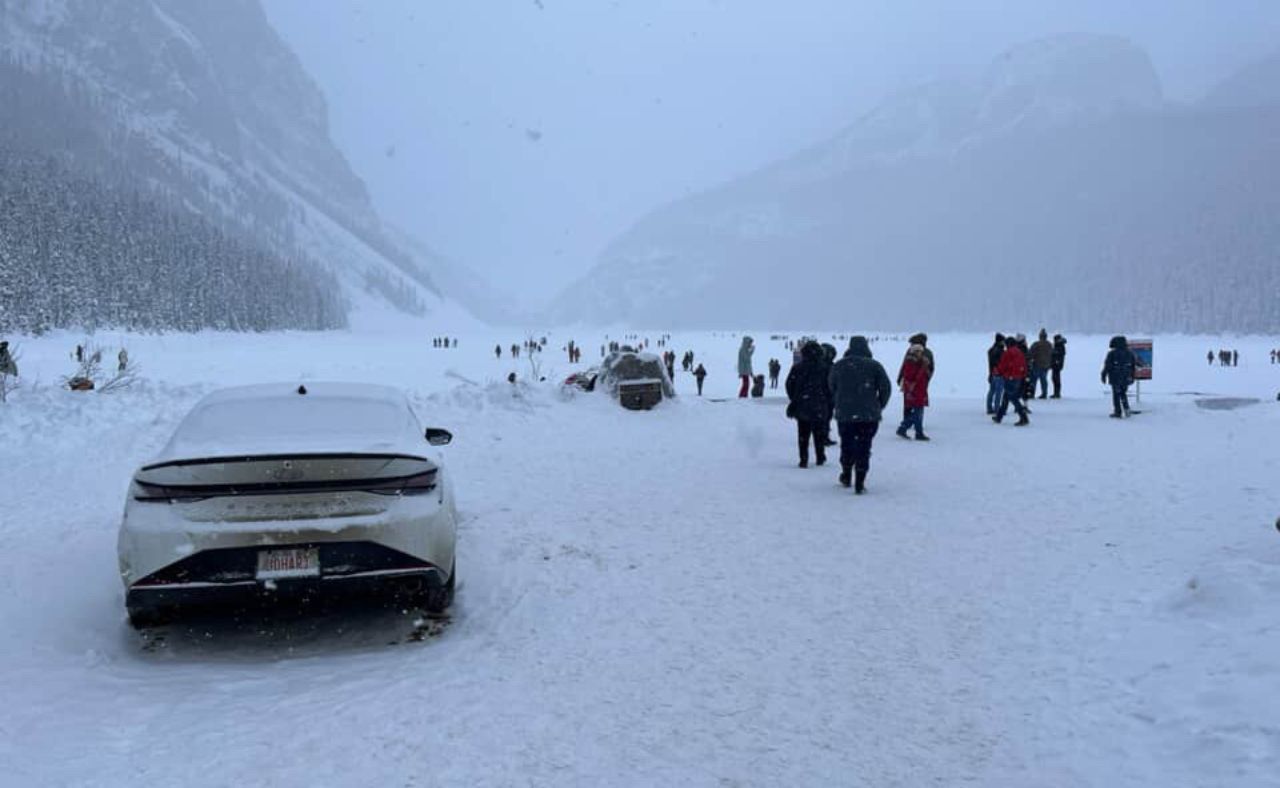
Image Credit: Jeff Samson
Photos of two cars stuck near the Lake Louise lakeshore spread quickly across social media earlier this month, drawing thousands of reactions and a flood of commentary ranging from disbelief to outrage.
“How?” one commenter asked. “What an idiot,” wrote another. Others speculated about fines, impoundments, and whether Parks Canada had taken action at all.
According to Parks Canada, the reality was more straightforward and more expensive for the drivers involved than online speculation suggested.
On January 3, Parks Canada park wardens and the RCMP responded to two separate incidents involving vehicles that drove onto pedestrian-only routes at the Lake Louise lakeshore, according to Annie MacNeil, Public Relations and Communication Officer for the Lake Louise, Yoho and Kootenay Field Unit.
The incidents occurred hours apart.
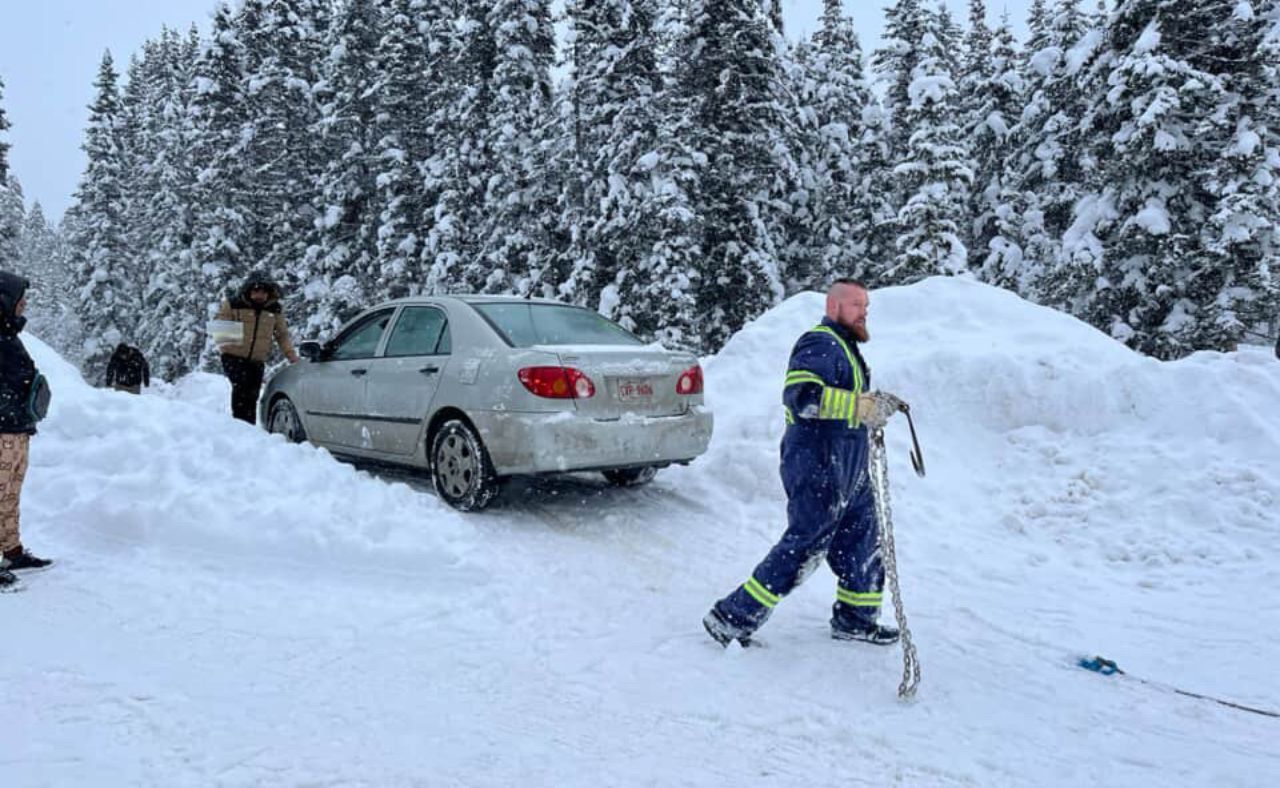
Image Credit: Jeff Samson
The first vehicle, a white car, became stuck at approximately 11:30 p.m. on January 2. Due to its location and deep snow conditions, a tow truck was initially unable to access the vehicle and had to return the following day with specialized equipment. A second vehicle, a grey car, became stuck around 2:00 a.m. on January 3 and was also towed. In both cases, the drivers were with their vehicles when officers arrived.
An $81 violation ticket for illegally parking on a sidewalk was issued to one driver, while the other received a warning, MacNeil said. Both drivers were responsible for towing and recovery costs.
“Although the ticket and warning may appear minimal, the associated towing and recovery expenses were substantial and constituted a significant consequence,” MacNeil said.
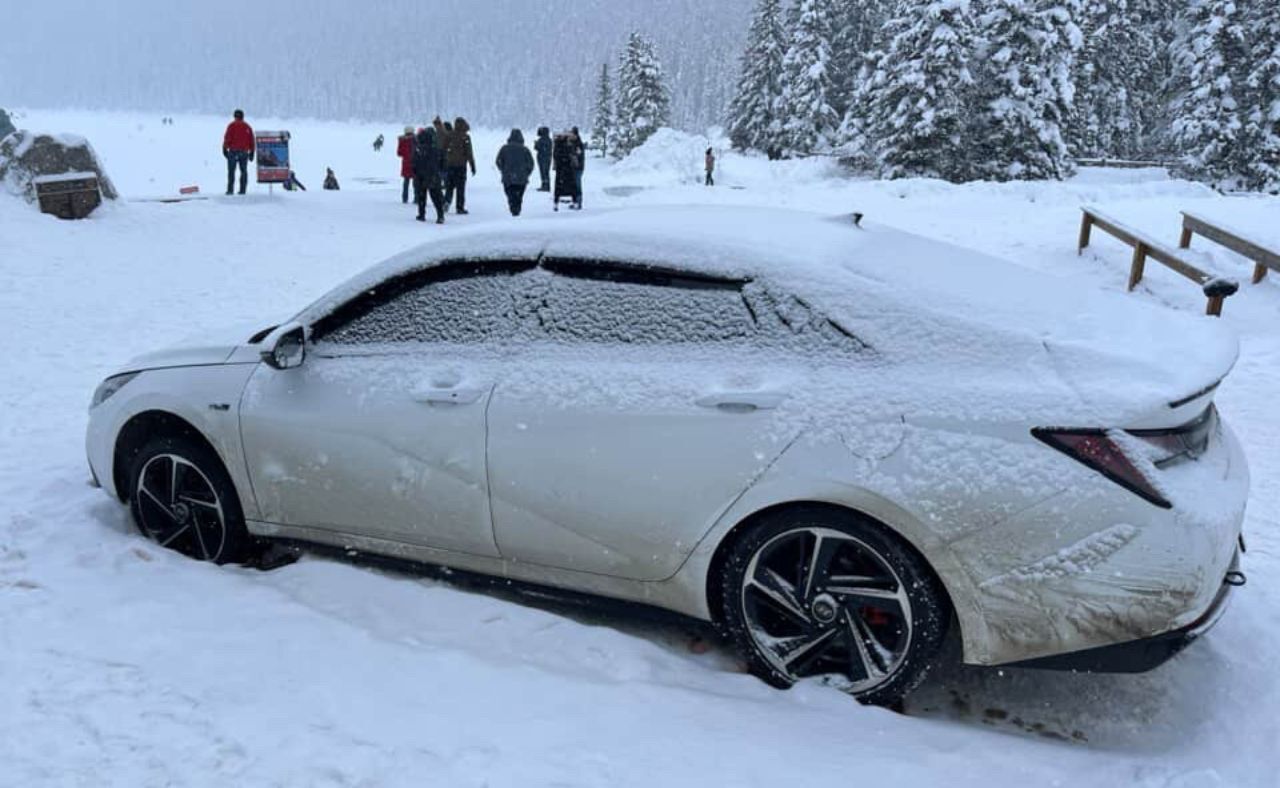
Image Credit: Jeff Samson
Standish Towing, the company involved in the recovery, confirmed that towing a vehicle from Lake Louise costs approximately $680 plus GST to Banff, or $817 plus GST to Canmore, depending on the exact type and location of the car.
Online, many commenters questioned how vehicles could reach the lakeshore at all, given existing signage and barriers.
MacNeil said those controls are in place and clearly mark where vehicle access is prohibited.
“Signs and barriers indicate where vehicle access is prohibited, and visitors are expected to follow posted restrictions at all times,” she said.
She also emphasized that winter parking capacity was not a factor in either incident.
“Parking demand at Lake Louise during winter is generally lower than in summer,” MacNeil said, noting that the incidents occurred overnight at a time when parking availability was not constrained. “These incidents occurred at a time of day when winter parking capacity was not a factor.”
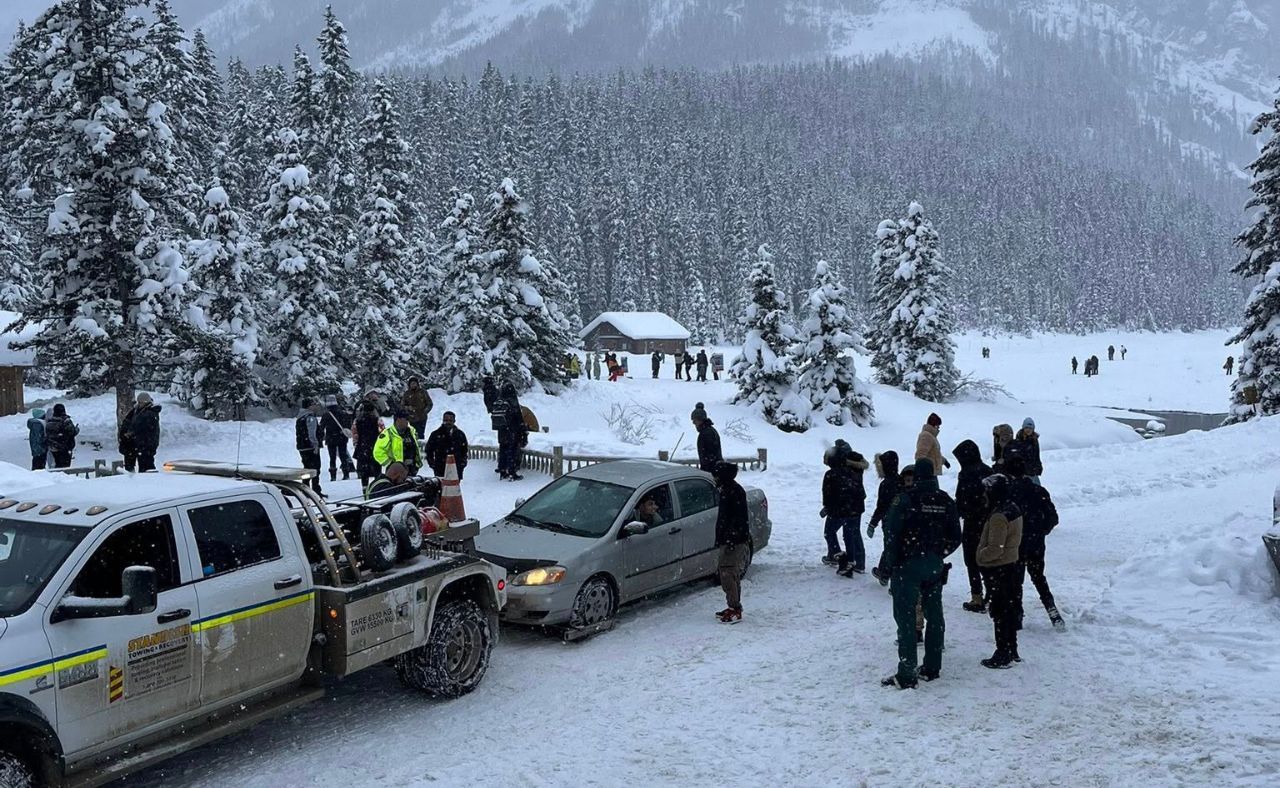
Image Credit: Jeff Samson
While rare, MacNeil said similar incidents have occurred before and can create serious safety concerns.
“Vehicles in unauthorized areas can interfere with snow removal, restrict emergency access, and create safety hazards for pedestrians,” she said. “The lakeshore route is designed exclusively for pedestrian use, and there is no safe place to park or turn around beyond designated parking areas.”
Much of the online discussion framed the incidents as examples of entitlement or reckless behaviour. Parks Canada’s response, however, focused less on intent and more on compliance and prevention.
MacNeil encouraged visitors to plan ahead and use designated parking and transit options year-round. Roam Transit operates to Lake Louise throughout the winter, with free parking available in lower and upper lots roughly 300 metres from the lakeshore.
“If the lower parking lot is full, visitors can park in the upper lot, take transit, or use designated trails from the community to access the lake,” she said. “Planning ahead and following posted signage helps ensure a safe and enjoyable visit for everyone.”
For all the online speculation, the outcome was ultimately procedural. Vehicles were removed, enforcement was applied, and costs were borne by the drivers involved.
Reply