- Bow Valley Insider
- Posts
- Rescue Crews Responded to 445 Incidents in Kananaskis in 2025 as Fatalities Rise
Rescue Crews Responded to 445 Incidents in Kananaskis in 2025 as Fatalities Rise
Rescue calls were about 19% above the typical annual average as visitation to Kananaskis Country climbed to roughly five million last year.

Bow Valley Insider
March 08, 2026
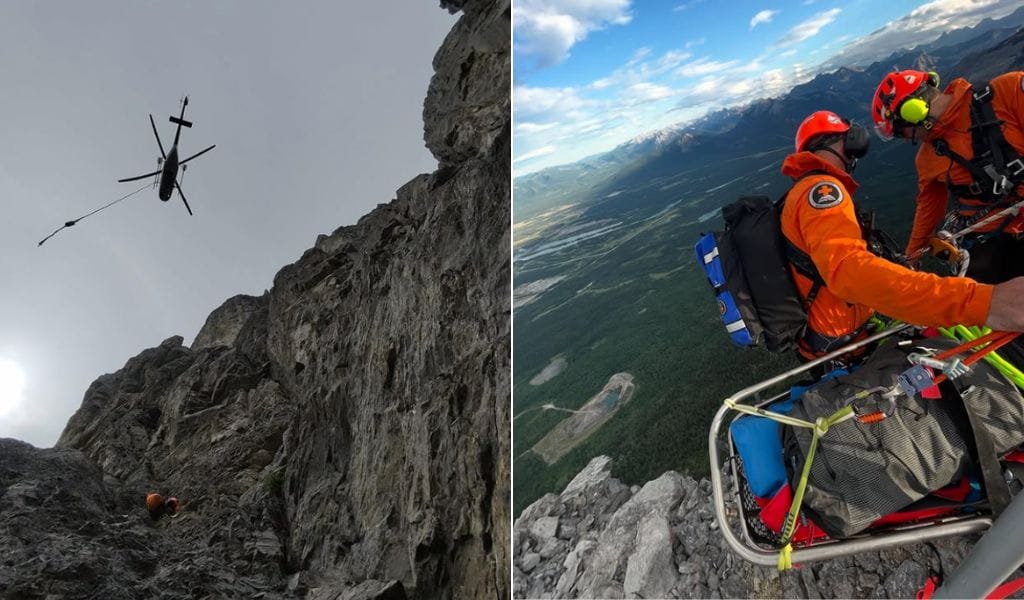
Rescue crews in Kananaskis Country responded to a record number of emergency calls and saw an increase in fatalities in 2025 as visitation to the popular mountain park network continued to grow.
According to Alberta Parks, 17 people died in Kananaskis Country in 2025, compared with 10 fatalities in 2024. Kananaskis Mountain Rescue responded to 445 incidents last year, roughly 19% more than the program’s typical average of 375 calls, which the province attributed to increasing visitation in the region.
“Mountain rescue call volumes can vary widely depending on weather, season and visitation levels. In 2025, Kananaskis Mountain Rescue responded to 445 incidents, above the typical annual average of about 375, likely reflecting increased visitation to Kananaskis Country,” said Victoria Person, director of communications for the Government of Alberta’s Forestry and Parks ministry.
The more than 4,000 square kilometres that make up the Kananaskis Country park system have seen steady visitation growth in recent years. Annual visits rose from about 4.2 million in 2022 to five million in 2025.
The province says many rescue incidents occur when visitors venture beyond maintained trails or underestimate the difficulty of Rocky Mountain terrain. Many calls involve injuries such as rolled ankles or situations where people become stuck in difficult terrain.
“Most incidents occur on undesignated backcountry routes branching off front-country trails, though some activities, like mountain biking, are more likely to occur on designated trails,” said Person. “The most common incidents involve injuries such as rolled ankles, knee injuries or people becoming stuck in difficult terrain.”
The underlying causes of rescue calls remain consistent with previous years.
“The general themes for incident cause remain similar to previous years, and include not planning appropriately, being underprepared, underestimating the difficulty of a hike and overestimating personal abilities,” said Person.
Rescue operations in the region involve multiple agencies, including conservation officers, park rangers, paramedics, police and firefighters. The province says staffing has expanded over the past decade, allowing the program to scale up response when needed.
“Staffing levels have increased over the past decade to meet demand, and the mountain rescue program is structured to remain adaptive and responsive, with surge capacity supported by Conservation Officers and partner agencies,” said Person.
Much of the funding for increased safety staffing comes from the Kananaskis Conservation Pass. Introduced in 2021, the pass is required for all vehicles parked at provincial recreation sites in Kananaskis Country and the Bow Valley Corridor. Pass revenue is reinvested in public safety services such as enforcement and search and rescue, conservation efforts and infrastructure upgrades.
The province says it is too early to predict call volumes for 2026, noting they fluctuate depending on weather, visitation, and seasonal recreation patterns.
“Annual call volumes are highly variable and depend on a variety of factors. It is too early to tell if call volumes will increase or decrease in 2026,” said Person.
However, visitors can help prevent incidents through proper preparation and trip planning.
“Visitors can reduce their risk by planning trips carefully, using multiple sources for route information, and prioritizing safety while travelling in the backcountry,” said Person.

Reply