- Bow Valley Insider
- Posts
- Poll Shows Split Support for Adding Up to Two Small Homes on Downtown Canmore Lots
Poll Shows Split Support for Adding Up to Two Small Homes on Downtown Canmore Lots
A Bow Valley Insider poll finds a narrow majority in favour, with parking, affordability, and neighbourhood character emerging as key concerns ahead of a Feb. 3 public hearing.

Bow Valley Insider
January 10, 2026

A Bow Valley Insider reader poll suggests cautious support for a proposed zoning change that would allow up to two small secondary homes on some residential properties in downtown Canmore, even as concerns about parking, density and affordability remain prominent ahead of a public hearing next month.
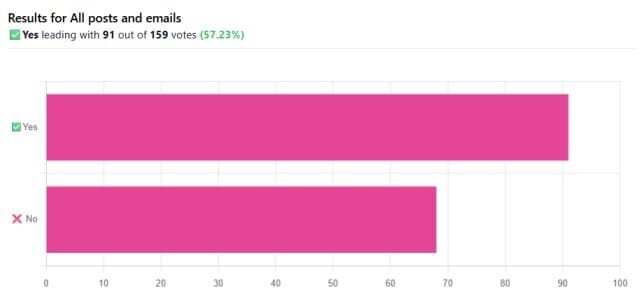
In a poll run in Bow Valley Insider’s Jan. 9 digital publication, 159 readers responded when asked whether they support allowing up to two additional small homes, known as accessory dwelling units, on certain lots. ”Of those, 57.23% said yes, while the remainder opposed the idea. The sample size is small by Bow Valley Insider’s usual survey standards and is not intended to represent the community as a whole, but the responses offer a snapshot of how divided residents are as council considers the change.
The proposal, discussed at Canmore town council’s Jan. 6 meeting, would amend zoning rules under the Connect Downtown Area Redevelopment Plan to permit up to two accessory units on some properties, in addition to an existing primary home. These units could take the form of suites within houses, homes above garages, or small detached buildings, subject to height and design rules.
Town planners have emphasized that the change would not require anyone to build, but would expand what is legally allowed. A public hearing is scheduled for Feb. 3, when residents will be invited to provide formal feedback before council decides whether to adopt or revise the proposal.
Among those who supported the change, many framed it as a way to add housing without expanding the town’s footprint.
“Building up instead of out is sort of like recycling land,” one respondent wrote. “Yes it creates higher density but higher density can lead to more affordable housing.”
Others echoed the idea that gentle density could reduce pressure on surrounding valleys and wildlife corridors. “One way for greater population density without occupying trails and wildlife corridors,” another comment read. “Sure beats sprawl.”
Several supporters, however, attached conditions. A common theme was the desire to restrict new units to long-term residents rather than short-term rentals. “Would support if it was long term or family rentals. No short-term rentals,” one person wrote. Another added: “As long as prohibited from vacation rental use, this is great.”
Opponents questioned whether the policy would meaningfully improve affordability in a high-cost market. “I fail to see how this will help provide affordable housing,” one respondent wrote. “The price would still be too high, even for infill, considering current downtown land values.”
Parking and congestion emerged as the most frequently cited concerns on both sides of the debate. “Will just increase the parking nightmares,” one person wrote. Another warned that “streets will be overcrowded, especially in summer when tourists are seeking parking as well.”
Some respondents argued that adding more homes, even small ones, risks eroding the character of the town. “Density that is too high is going to ruin the aesthetics of our town,” one comment read. “There is no need to cram more houses into downtown Canmore.”
Others countered that smaller, locally occupied homes could strengthen the community. “Ironically the smaller houses are lived in by families and locals, while the larger homes are often second homes and empty much of the year,” one reader wrote. “The smaller homes would add to the community.”
Several comments also pointed to the importance of design controls and neighbourhood input. “It would depend on the lot, obviously,” one respondent said. “A reasonable compromise,” wrote another, adding that any change should allow for consultation with neighbours.
While the poll reflects only a small group of residents, the themes mirror those raised regularly in council chambers: the tension between accommodating growth and preserving town character, the limits of infrastructure such as parking, and the question of whether incremental density can ease housing pressures without accelerating congestion.
Reply