- Bow Valley Insider
- Posts
- Litter and Human Waste Identified as Growing Challenge in Banff Public Spaces
Litter and Human Waste Identified as Growing Challenge in Banff Public Spaces
Municipal parks staff describe growing cleanup demands, with no specific solution yet proposed

Bow Valley Insider
December 23, 2025
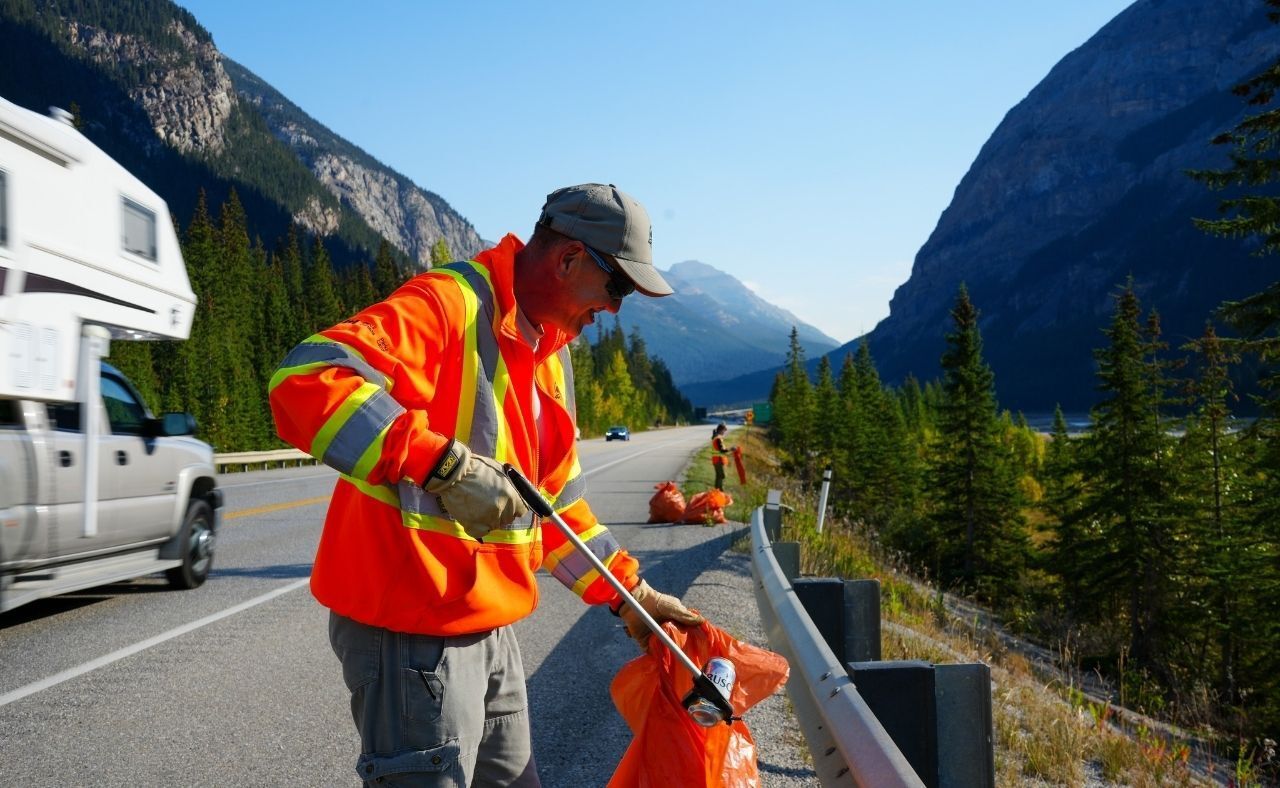
Banff’s municipal parks staff are reporting a sustained increase in litter and human waste across the townsite, describing it as a growing operational challenge that is placing additional pressure on existing resources, according to recent budget documents and a presentation to council.
The concern was outlined during a Municipal Parks overview presented to council by Paul Godfrey, Banff’s Director of Operations, as part of the Town’s 2026 service review on Dec. 11. Staff identified increasing litter and human waste as one of several challenges facing the department, alongside staffing shortages, FireSmart landscaping changes, and facility maintenance issues.
“Litter and human waste throughout the town site,” Godfrey said during the presentation, listing it among the department’s current pressures. “It’s hard. There’s a lot of litter.”
The review noted a “continued increase in litter and human waste throughout the townsite,” without tying the issue to a single cause or location. The documents do not quantify the increase, but the phrasing suggests a trend rather than isolated incidents.
New Hotspots Emerging
During the presentation, Godfrey pointed to changing pedestrian patterns as a factor contributing to where cleanup is now required. He cited Lynx Street as an example, an area that historically was not a high priority for litter collection but has since seen increased foot traffic.
“That’s an unintended consequence of a wonderful thing,” Godfrey said, referring to the roughly 500 free parking spaces now available at the Banff train station. “We’ve never had that kind of traffic walking down Lynx before, and then all of a sudden it’s like ‘wow.’ It (previously) wouldn’t be on the hot list for litter. But it is now a go-to place.”
He described this as a “new reality” for the department, requiring staff to adjust where and how frequently cleanup occurs.
Human Waste Explicitly Cited
In addition to general litter, Godfrey spoke directly about human waste as part of the problem, including fecal matter and discarded diapers in public spaces.
“Fecal matter and things like that, somebody has to deal with it,” he said. “This department deals with it the best they can.”
The issue is treated as a routine, day-to-day challenge affecting public spaces across Banff.
Council Raises Broader Context
The issue prompted follow-up questions from council, including one from Councillor Fullerton, who drew a comparison to previous spikes in waste observed during periods of free national park entry.
Fullerton recalled anecdotal reports from 2017, when the Canada 150 free parks pass was in effect, suggesting a noticeable increase in dirty diapers and waste left around the community. He asked whether similar patterns had been observed more recently, including during the federal government’s Canada Strong Pass.
In response, Godfrey said staff have observed changes in visitor behavior over several years, particularly since the COVID-19 pandemic, with a noticeable increase in day users.
“We have a different kind of visitor,” he said. “We have a lot more day users, if that makes sense. People who are just coming in for the day.”
The shift has coincided with changes in how and where public spaces are used, with more visitors coming to Banff for short, same-day visits rather than staying overnight.
He confirmed that staff continue to encounter diapers and fecal matter, adding that some visitors appear uncomfortable or unfamiliar with using portable toilets.
“We still see lots of diapers. We still see lots of fecal matter,” Godfrey said. “We see people who are uncomfortable or unaccustomed to using a porta-potty.”
No Proposed Solution Yet
Despite the repeated references to the issue, neither the service review documents nor the council presentation propose a specific solution to address increasing litter and human waste.
There is no dedicated funding request, staffing increase, enforcement measure, or public education initiative tied directly to the problem in the 2026 Municipal Parks budget materials. The issue is presented as a documented operational challenge rather than a policy proposal requiring immediate council direction.
Council did not debate potential remedies during the meeting, and no motions related to litter or human waste were introduced as part of the parks overview.
An Ongoing Operational Burden
Taken together, the documents and council discussion paint a picture of a department responding reactively to changing conditions, absorbing additional cleanup responsibilities within its existing mandate.
Municipal Parks staff emphasized that cleanup work is ongoing, even as pressures increase. As Godfrey noted, “Not all of our jobs at the Town of Banff are glamorous.”
For now, increasing litter and human waste remain an identified issue without a defined path forward, one staff say they are managing “the best they can” as broader conversations about visitor patterns and public space use continue.
Reply