- Bow Valley Insider
- Posts
- Husky’s Death on East Kootenay Trapline Fuels Debate Over Trapping Rules on Public Land
Husky’s Death on East Kootenay Trapline Fuels Debate Over Trapping Rules on Public Land
A two-year-old dog was killed by a body-gripping trap set metres from a winter recreation road, prompting calls for tighter safety standards and clearer setbacks on B.C. Crown land.

Bow Valley Insider
January 18, 2026
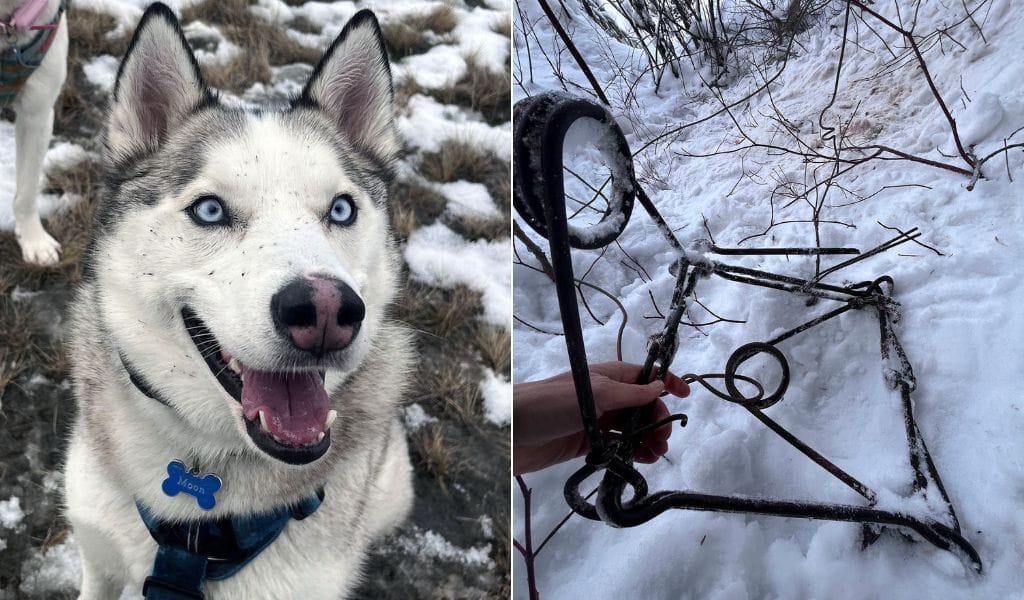
A two-year-old Siberian Husky was killed by a body-gripping trap set on Crown land in southeastern British Columbia earlier this month, prompting renewed calls from animal-welfare groups and the dog’s owners for changes to provincial trapping regulations.
The dog, named Moon, was killed Jan. 8 along the Horsethief Creek Forest Service Road, roughly 27 kilometres from Radium Hot Springs in the East Kootenay region. According to his owners, Nicole Trigg and Sean Boxall, Moon was walking with Boxall near the plowed winter access road to the Farnham Glacier when he was drawn off the roadway by the scent of bait attached to a Conibear trap set several metres from the road.
Conibear traps are spring-loaded, body-gripping devices designed to kill animals by snapping shut around the neck or torso. They are commonly used in commercial trapping for species such as beaver and marten and are legal on registered traplines in British Columbia.
Trigg and Boxall said the trap was baited with meat wrapped in fur to simulate prey. When Moon lowered his head toward the bait, the jaws of the trap closed around his neck. Boxall attempted to release the trap but was unable to open it by hand and suffered a deep laceration to his palm in the process. He later required 10 stitches, according to the family. Moon died before the trap could be cut open using a chainsaw kept in Boxall’s truck.
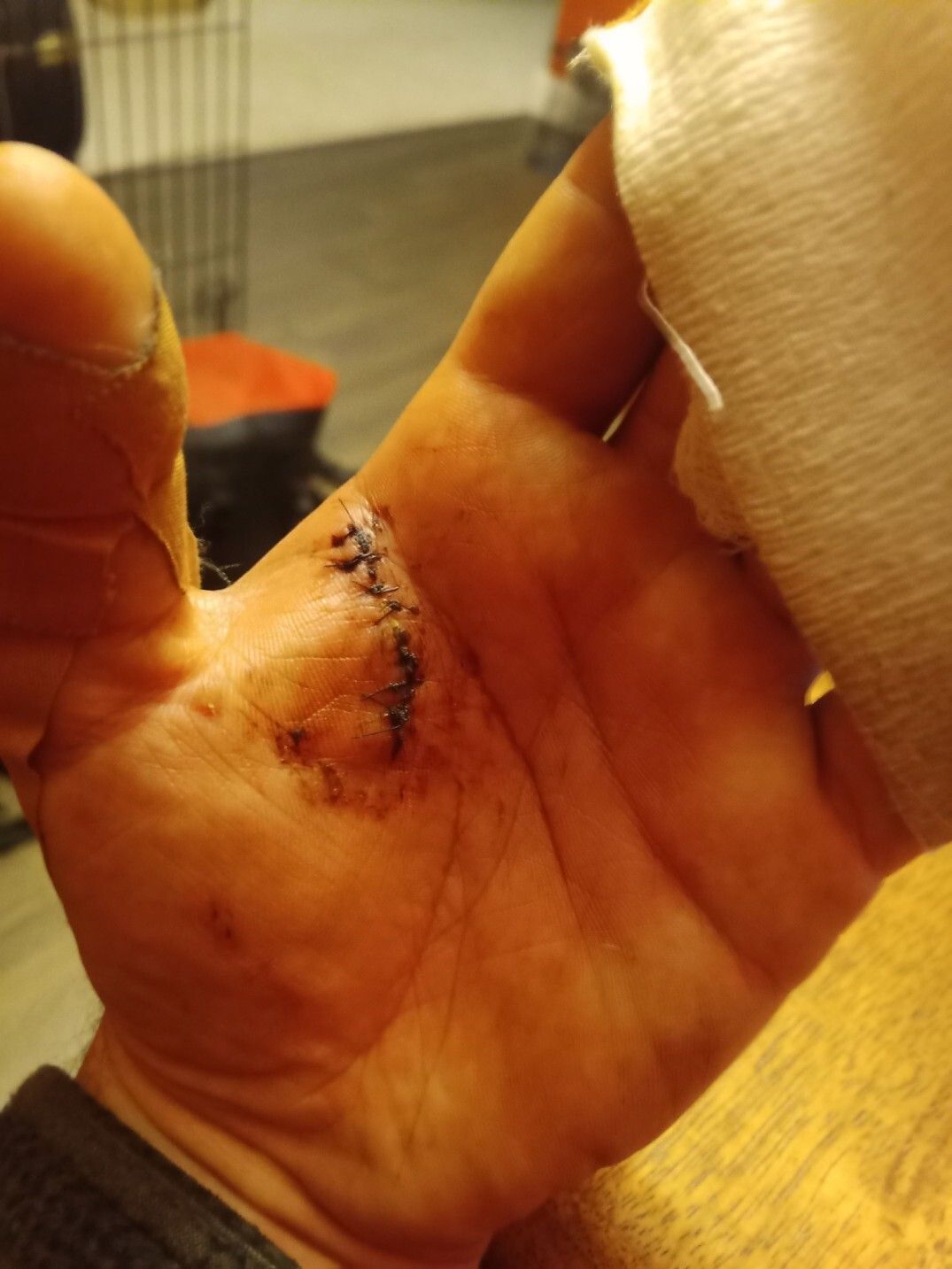
In statements shared publicly by the family and animal-welfare organizations, Moon did not die instantly. His owners said his trachea was crushed and that he suffocated over several minutes.
The incident occurred on Crown land that is widely used for winter recreation, including snowmobiling, skiing and hiking. Under current provincial rules, lethal body-gripping traps and neck snares may be set on public land within registered trapline areas. There is no province-wide requirement for warning signage, and no mandatory minimum setback distance from roads or recreation corridors. The use of bait is also permitted.
Following Moon’s death, Exposed Wildlife Conservancy and the nonprofit organization The Fur-Bearers have joined the family in calling for regulatory changes and for what they are calling “Moon’s Law,” a proposed ban on commercial trapping on public land in British Columbia. The groups are also urging the provincial government to introduce interim safety measures, including mandatory signage on active traplines, increased buffer distances from roads and trails, restrictions on the use of bait near publicly accessible areas, and a prohibition on trapping in provincial parks.
In a statement, Exposed Wildlife Conservancy said the case highlights what it described as gaps in public safety protections under existing trapping regulations. “Our laws should keep the public, pets and wildlife safe,” the group said, “yet lethal traps can be placed without warning near areas used daily by recreationists.”
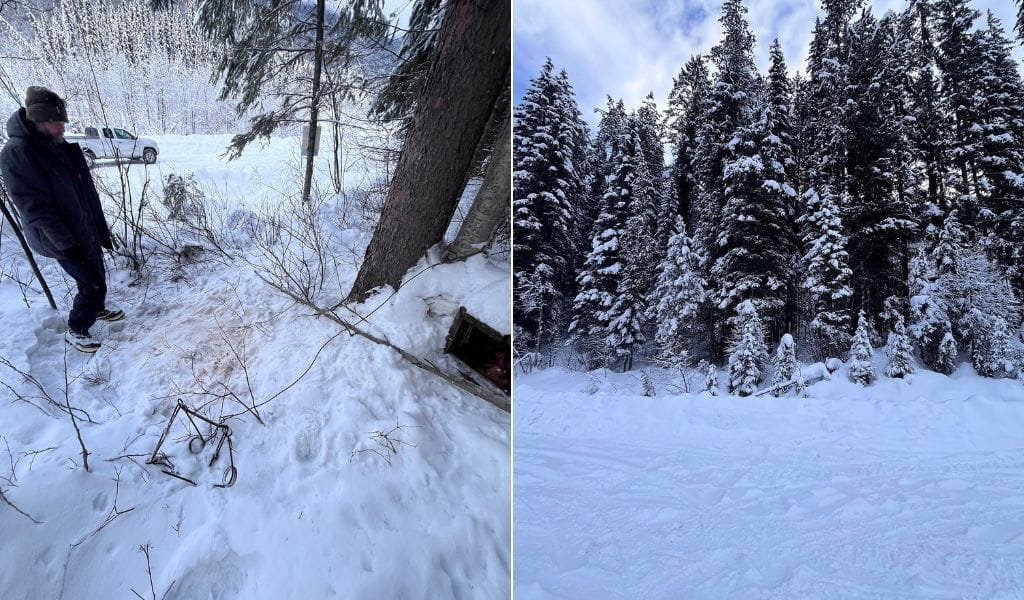
Trigg and Boxall, who live in Radium Hot Springs, said they have since heard from other residents who reported close encounters with traps on public land. They are now working with advocacy organizations to gather support for regulatory reform and to encourage participation in the province’s current consultation process on hunting and trapping rules.
Commercial trapping in British Columbia is regulated under the Wildlife Act and administered through a system of Registered Fur Management Areas. Trapping rights are allocated by the province, and harvesters are permitted to set approved devices, including body-gripping traps, within their designated areas, subject to equipment and species-specific regulations.
The provincial Ministry of Water, Land and Resource Stewardship is currently conducting consultations on proposed updates to hunting and trapping policies. Advocacy groups are urging the government to use that process to introduce clearer safety standards for trap placement on shared public lands.
For Moon’s owners, the push for reform is rooted in preventing similar incidents. “We want his death to lead to change,” Trigg and Boxall said in a statement. “Public lands are used by families, pets and recreationists, and people should not have to worry about encountering lethal traps just metres from a plowed road.”
Reply