- Bow Valley Insider
- Posts
- How Alberta and Parks Canada Handle Bear Conflicts Differently
How Alberta and Parks Canada Handle Bear Conflicts Differently
As bears emerge from hibernation, two systems take different approaches to balancing public safety and wildlife protection.

Bow Valley Insider
April 07, 2026
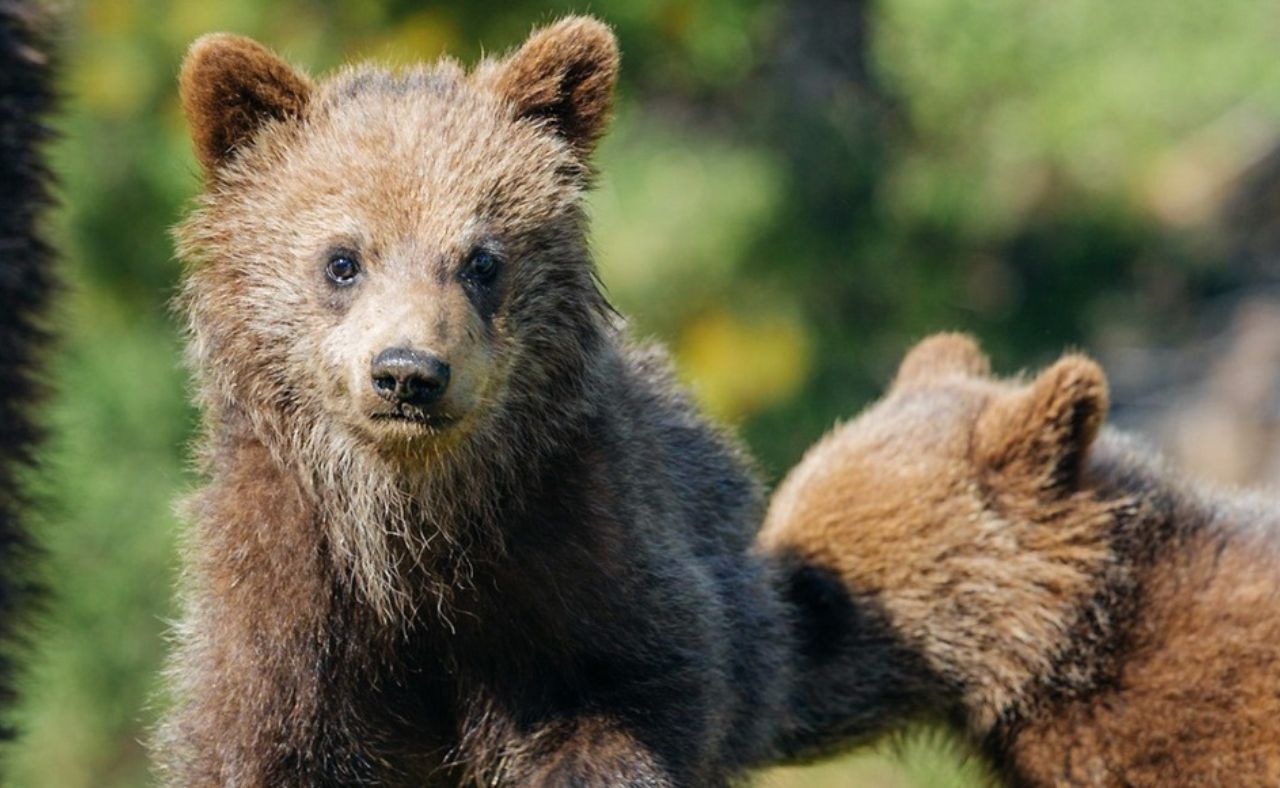
As bears begin to emerge from hibernation, officials in Alberta are preparing for another season of wildlife management, with separate systems in national parks and on provincial lands that emphasize prevention, public safety, and reducing human-caused deaths.
While both systems share those goals, Parks Canada focuses on coexistence within protected areas, while Alberta Forestry and Parks uses a structured approach to manage conflict across a broader range of land uses, where lethal removal may be more likely.
Parks Canada says lethal action in national parks remains rare and is typically limited to animals with unsurvivable injuries or clear risks to public safety. In 2025, for example, two black bears were euthanized in Banff National Park after being fatally injured in separate incidents.
“Both bears were determined to have suffered from unsurvivable injuries. One was the result of a train strike near Lake Louise, and the other was struck by a vehicle on the Icefields Parkway,” said Justin Brisbane of the Lake Louise, Yoho and Kootenay Field Unit.
Nationally, Parks Canada reported 18 black bears killed by management destruction in 2024 and 12 in 2023. No grizzly bears were killed in 2024, compared with one in 2023.
Wildlife responders assess incidents on the ground and prioritize prevention, using tools such as monitoring bear activity, issuing advisories, closing trails, relocating animals and removing attractants like unsecured food and garbage. Hazing techniques, including noise deterrents such as air horns or cracker shells and non-lethal projectiles, may also be used to push bears away from human-use areas.
Aggressive encounters do not necessarily result in lethal action. Parks Canada defines these incidents broadly, including attacks, bluff charges and other aggressive or defensive behaviours. According to Parks Canada data, between 2023 and 2024 Banff National Park recorded 21 aggressive encounters involving black bears and 22 involving grizzlies, while Jasper National Park reported 68 black bear encounters and 28 involving grizzlies.
Outside national parks, bear management falls under Alberta Forestry and Parks, which uses a formalized system to respond to human–wildlife conflict. Bears identified for euthanasia are handled by provincial wildlife officials, typically conservation officers, under controlled conditions. Hunting, by contrast, occurs during regulated seasons and is aimed at general population management, primarily involving black bears.
“Alberta's government continues to focus on public education, monitoring grizzly populations and movements, improving infrastructure to reduce conflicts, and responding quickly when safety is at risk,” said Riley Gough, press secretary for the Ministry of Forestry and Parks.
At the centre of that system is the Wildlife Management Responder Network, which works with conservation officers, local authorities and wildlife specialists to assess and respond to incidents. The network includes trained, pre-approved responders who can be deployed under provincial direction, although the province has not released details on the selection process or how many have been approved. The program is not a hunting system, and bears identified for euthanasia are handled by provincial officials, not the public.
“By providing rapid response and specialized expertise, the network supports responsible wildlife stewardship throughout the province,” Gough said.
The province has not released data on how many bears have been euthanized through the responder network since its launch in 2023, or a breakdown of black bears euthanized through management actions.
Provincial data shows grizzly bear mortality remains relatively low, with about 23 to 24 bears killed each year from all human causes between 2013 and 2022, including vehicle collisions, illegal killings and management removals. Of those, about five to six per year are the result of management removals.
By contrast, black bear mortality occurs at a much larger scale, with provincial hunting data showing more than 3,600 to 4,100 bears are harvested annually through regulated hunting.
Response to bear encounters is guided by Alberta’s Grizzly Bear Response Guide, which prioritizes prevention before escalating to more serious interventions. The process includes monitoring, area closures and attractant removal, followed by investigation and classification based on the bear’s behaviour, history and location.
Lethal action is considered only after non-lethal options have been exhausted and is subject to further review by responding officers and provincial wildlife specialists. Bears are typically euthanized only in cases of repeated conflict behaviour or when they pose a clear risk to public safety. Outcomes vary by location, with greater tolerance in core mountain habitats and a lower threshold for lethal removal in areas with higher human activity, including agricultural lands and transportation corridors.
Despite differences in approach, both systems point to human behaviour as a key factor in preventing conflict. Both the province and Parks Canada encourage visitors and residents to carry bear spray, properly store food and garbage, and remain alert for wildlife.
“Never feed wildlife. Your food kills wildlife,” Brisbane said.

Reply