- Bow Valley Insider
- Posts
- Canmore Weighs $700K Break for Affordable Housing
Canmore Weighs $700K Break for Affordable Housing
Proposal would waive development and building permit fees to support a 120-unit affordable housing project

Bow Valley Insider
April 26, 2026
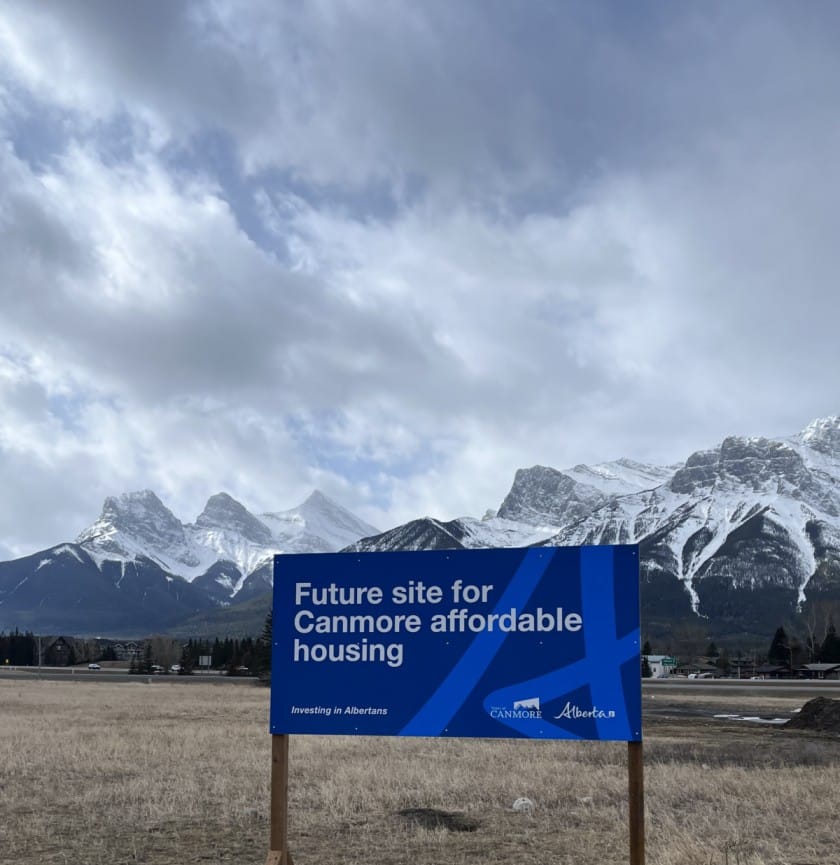
Canmore council is considering waiving up to $700,000 in development and building permit fees for a major affordable housing project in the Palliser area, adding to the town’s existing financial support for the project.
The proposed waiver, discussed at an April 7 council meeting, would support the first phase of the YWCA Banff Higher Ground project, a 120-unit building that is part of a broader plan to deliver roughly 250 to 350 rental homes, along with emergency housing and support services.
At the same meeting, council approved a motion directing administration to develop a policy framework for potentially waiving development and building permit fees for future non-market housing projects.
Development and building permit fees are charges municipalities collect from builders to review plans, issue permits and process new construction; waiving those fees lowers upfront building costs.
The Higher Ground project is a non-market housing development, meaning units are rented below typical market rates to make them more accessible to people who cannot afford housing in Canmore.
YWCA Banff chief executive officer Ebony Rempel said the project reflects the scale of housing need in the Bow Valley.
“This project reflects the scale of the housing challenge in the Bow Valley and the kind of partnership it takes to respond meaningfully,” Rempel said. “Higher Ground is about creating housing that is not only affordable, but stable, dignified, and connected to the services people need to thrive.”
The project has been in development since 2017 and is being built on land in the Palliser area through a long-term land arrangement with the Town of Canmore. At full build-out, it is expected to include a mix of deeply affordable, below-market and supportive housing as well as emergency shelter spaces.
Rempel said the project is intended to operate entirely as rental housing, with units offered at different price levels.
“The intent is for the project to be entirely rental and to deliver a mix of below-market and deeply affordable units across the housing continuum, spanning emergency housing, supportive housing, and affordable housing,” she said.
The development is structured as a multi-partner project, combining municipal, provincial and federal funding with private and charitable contributions.
According to the YWCA, the Town of Canmore has committed land, $10 million in funding, and support measures such as fee waivers and streamlined approvals to speed up project review.
“These contributions materially reduce the capital burden and are essential to delivering a non-market housing model at the scale proposed,” Rempel said.
The proposed fee waiver is intended to lower development costs at a stage when affordable housing projects face high upfront expenses and compete for limited government funding.
“Reducing permitting-related costs helps improve project viability by lowering upfront development costs at a stage when affordable housing projects are carrying significant predevelopment risk and facing a highly competitive funding environment,” Rempel said.
She said lowering costs at the development stage can help maintain affordability over time.
“In a project like this, where affordability depends on minimizing debt and maximizing grant and philanthropic dollars, municipal fee relief is not cosmetic, it is one of the practical measures that helps protect both viability and long-term affordability,” Rempel said.
Higher Ground is being structured to maintain long-term affordability, including a proposed 99-year lease to keep the land dedicated to affordable housing and a rental-only model that prevents units from being sold on the private market.
Eligibility criteria for the housing are still being developed but are expected to prioritize people with the greatest housing need, including those with ties to Canmore, facing housing pressures, and those who do not own residential property.
“Eligibility criteria are being developed within YWCA Banff’s broader housing and wellbeing framework, which prioritizes individuals and households experiencing the greatest housing need and aligns with the organization’s mission to support women, families, and other vulnerable populations,” Rempel said.
The Higher Ground project is part of Canmore’s broader housing strategy, which includes funding from the town’s livability tax, a program introduced in 2024 that applies additional property taxes to certain non-primary residences to generate revenue for affordable housing.
The program is now expected to generate less revenue than originally projected following proposed provincial changes that would limit who can be taxed. Town officials have said the reduced revenue could slow the pace at which housing funding is distributed, though the project is still expected to proceed.

Reply