- Bow Valley Insider
- Posts
- Bow Valley Sees Strong Demand for Medical Training but No Residency Program
Bow Valley Sees Strong Demand for Medical Training but No Residency Program
Short-term rotations continue in Canmore and Banff, but full training programs remain out of reach due to limits in housing, supervision, and infrastructure

Bow Valley Insider
March 18, 2026
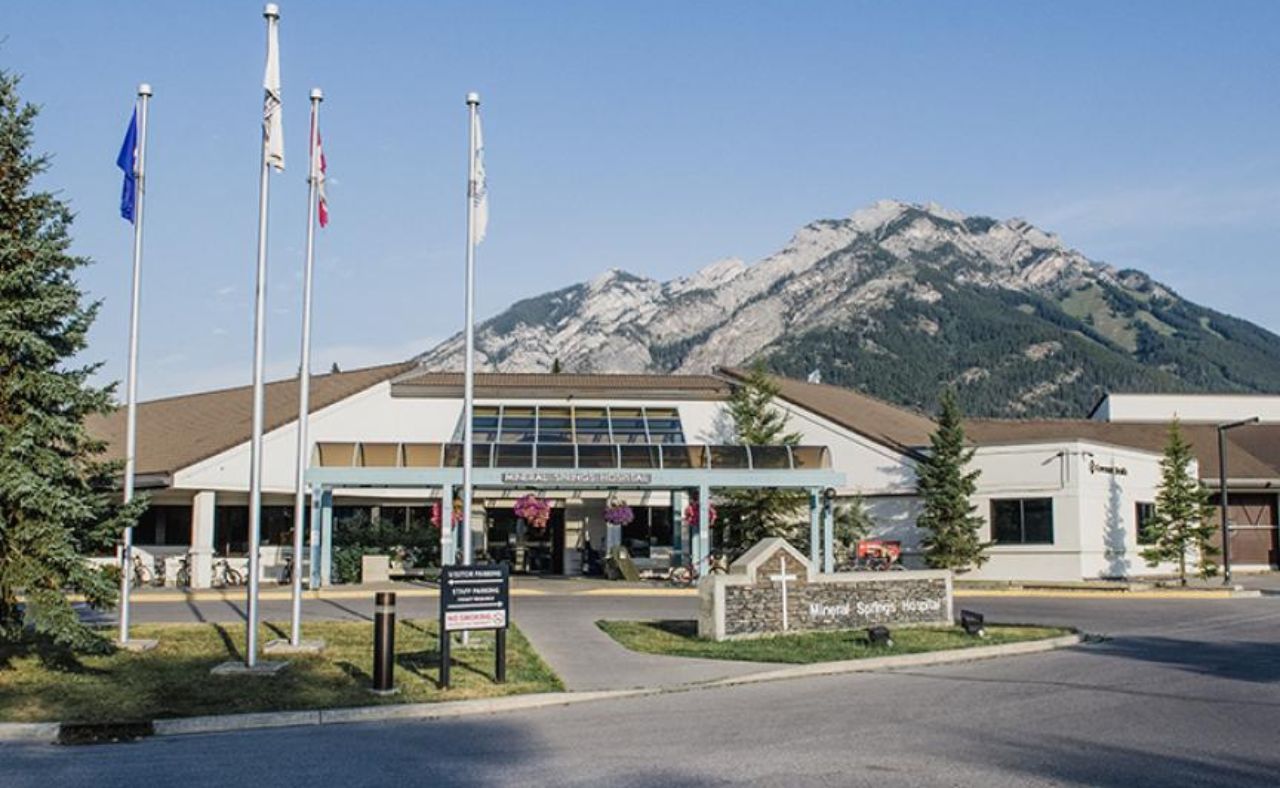
Banff Mineral Springs Hospital
A new cohort of resident physicians will begin training across Alberta on July 1 after all rural residency positions were filled in the first round of this year’s match cycle. The Bow Valley, however, will see little impact, as it has no dedicated residency programs.
The contrast highlights a broader tension in Alberta’s health-care system: demand for rural training is rising, yet some communities remain outside the province’s formal residency training structure.
While the region plays a limited role in medical education, training largely occurs through short-term rotations in Canmore and Banff.
Each year, approximately 10 family medicine residents complete clinical rotations in Canmore and Banff, spending between eight and 24 weeks in local clinics, though numbers vary depending on available capacity.
In the 2025-2026 academic year, eight to nine residents in the Family Medicine Enhanced Skills programs, including emergency medicine and anesthesia, complete rotations in Banff, while two residents complete obstetrics rotations in Canmore.
Despite the absence of full programs, demand for placements in the Bow Valley is strong.
“The Bow Valley is a very popular location with family medicine residents at the University of Calgary. The residency program receives more requests for rotations there than can be accommodated,” said Dr. Melinda Davis, associate dean of postgraduate medical education at the University of Calgary.
This regional interest is significant, given the strong link between residency location and where physicians choose to practise.
“Recruitment data has consistently identified that one of the top reasons a physician chooses to work and live in a rural or remote area is that they were trained by rural generalists in rural or remote areas,” said Dr. Rithesh Ram, president of the Section of Rural Medicine with the Alberta Medical Association.
That connection has prompted questions about whether expanding residency training in the Bow Valley could help satisfy that demand and address physician shortages, a move supported by the Professional Association of Resident Physicians of Alberta (PARA).
“They're great places with really outstanding communities. I imagine if residency spots were made available, they may be quite appealing and competitive spots in the future for people who ultimately want to work and live in the Bow Valley area,” said Dr. Siavash Zare-Zadeh, president of the Professional Association of Resident Physicians of Alberta.
Still, significant barriers to expanding residency training remain.
Expanding residency programs would require more physicians to supervise trainees and additional space in local hospitals and clinics. Davis said the availability of teachers and appropriate teaching space is a key factor limiting expansion.
There are also restrictions tied to the type of care available locally. While family medicine programs could potentially be expanded, full specialty residency programs are unlikely to be feasible in the Bow Valley alone, as they require exposure to complex procedures and specialized care typically found in larger centres.
“Specialty residents require exposure to complex procedures and specialized care that are concentrated in major teaching centres,” said Davis. “It would not be possible to deliver a full specialty residency program solely in the Bow Valley.”
Housing is another major constraint. The high cost and limited availability of rental housing in Canmore and Banff make it difficult to attract and support medical trainees.
“Rental housing continues to be a significant concern in rural Alberta, and this issue is ever greater in Canmore and Banff,” said Ram.
As Alberta expands its training capacity, the province has introduced financial incentives to encourage rural practice. A bursary program established by the Minister of Health provides upfront funding to family medicine residents at the University of Alberta and the University of Calgary in exchange for a return-of-service commitment.
The program offers a rural stream, with up to $125,000 available for physicians who commit to practising in eligible communities.
Recipients must complete roughly three years of full-time practice within five years of finishing their residency. Service may be completed in one or multiple communities, or through locum work. Both Banff and Canmore are eligible under the program.
PARA says the program is a positive step toward encouraging physicians to consider rural practice.
“You can incentivize some people who are doing urban training to maybe take a gander out to the rural and remote areas in Alberta to see: Can I practise here? Is this somewhere I can settle down,” said Zare-Zadeh.
Despite growing demand and provincial investment in rural medicine, the Bow Valley remains a stop along the path of medical training rather than a destination. Its evolution into a permanent training hub will depend on addressing structural barriers and expanding capacity in the area.

Reply