- Bow Valley Insider
- Posts
- Banff Sets Aside Surplus, Eyes Funding for Wastewater Upgrade
Banff Sets Aside Surplus, Eyes Funding for Wastewater Upgrade
Council directs $73,383 surplus into reserves while applying for provincial support to replace aging treatment infrastructure

Bow Valley Insider
April 21, 2026
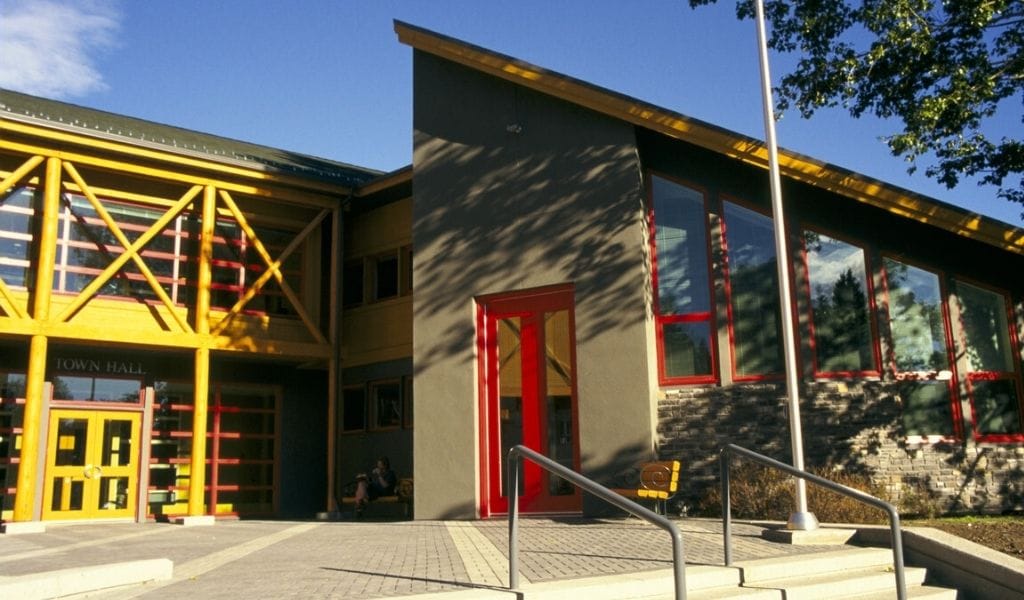
Banff council is signalling a more cautious financial stance as it prepares for mounting infrastructure costs, directing a modest $73,383 operating surplus entirely into reserves while pursuing provincial funding for a major wastewater treatment upgrade.
The decisions, made at the town’s April 14 council meeting, come as pressures on core infrastructure continue to build. Council unanimously approved transferring the 2025 operating surplus into the budget stabilization reserve, consistent with long-standing policy that directs annual surpluses into reserves to help manage year-to-year fluctuations in spending.
“The year ended with a very small surplus of $73,383,” said Palki Biswas, finance controller for the Town of Banff, noting it equates to about 0.1 per cent of the town’s roughly $80-million operating budget.
Administration recommended the full amount be allocated to reserves rather than used for new spending, in line with the town’s financial framework, which uses the budget stabilization reserve to offset future deficits and fund one-time costs.
The move continues a pattern in recent years. According to the town’s financial plan, a $42,000 surplus recorded in 2024 was transferred into the same reserve, while an $86,000 deficit in 2023 was covered using those funds, following several years of financial pressure, including impacts from the COVID-19 pandemic.
The surplus decision came alongside a separate motion directing administration to apply for provincial funding to replace the ultraviolet (UV) disinfection system at the town’s wastewater treatment plant, which staff said is due for replacement. The system uses ultraviolet light to disinfect treated wastewater, killing bacteria and viruses before the water is released back into the environment. The Alberta Municipal Water-Wastewater Partnership grant, which helps municipalities pay for major water and wastewater projects, requires a formal council resolution to proceed with an application.
The application is required to access provincial cost-sharing for the project. While the motion itself was procedural, council discussion underscored the importance of the system.
Following a recent tour of the facility, Mayor Corrie DiManno emphasized the essential nature of the infrastructure and the staff who operate it.
“Everything we saw is an absolute essential and crucial service to this town,” she said. “And we are so very grateful for the teams that do that work day in and day out and for their dedication and commitment to keeping us safe and keeping us clean.”
The wastewater system is one of several areas where the town faces ongoing infrastructure needs. Banff’s financial plan notes that aging assets require continued investment for maintenance and eventual replacement, with capital projects funded through a combination of reserves, grants and taxation.
The document also identifies an infrastructure funding gap, with the municipality working to increase contributions to reserves over time to meet long-term replacement needs. Property taxes alone are not sufficient to cover these costs, the plan notes.
Taken together, the decisions point to a growing emphasis on long-term financial planning as the town faces increasing infrastructure demands, with reserves and external funding playing a key role in managing the cost of maintaining essential services.

Reply