- Bow Valley Insider
- Posts
- Banff Sees 50% Jump in U.S. Ski Visitors
Banff Sees 50% Jump in U.S. Ski Visitors
Surge tied to record-low snowpack across the western U.S., with Utah and Washington among the hardest hit

Bow Valley Insider
April 26, 2026
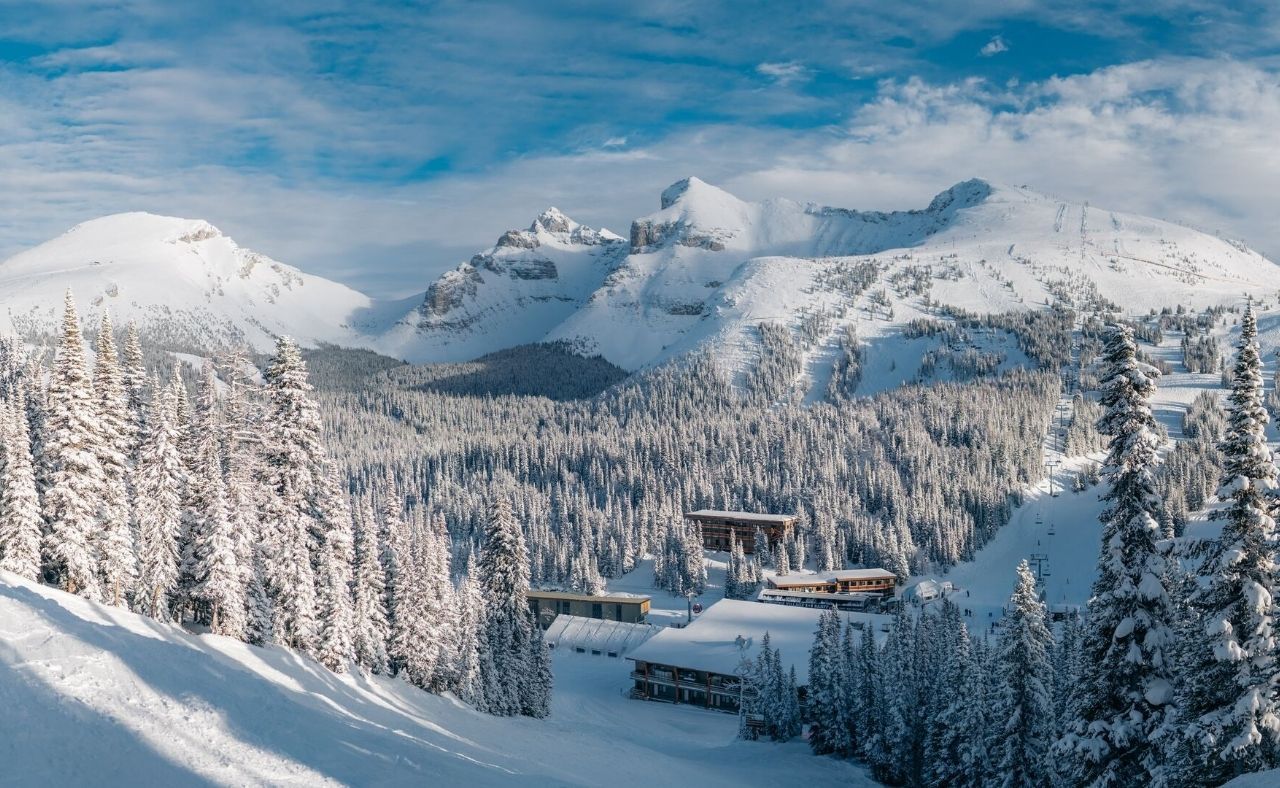
Poor snow conditions across the United States helped drive a surge of American skiers to Banff this season, with visitation to the region’s three ski resorts rising more than 50% compared with the same time last year.
Rachel Wilson, marketing director with SkiBig3, said bookings from the United States were already trending higher before December, but most of the year-over-year growth occurred after the season began.
“We had strong performance numbers early in the season and were up year over year in U.S. bookings prior to December. But the majority of year-over-year growth came after the season started,” Wilson said.
Wilson said most U.S. visitors to Banff came from states including California, Washington, Colorado, New York, and Massachusetts, with a notable increase from Washington that she attributed in part to poor regional snow conditions and its proximity to Alberta.
Snowpack was well below normal across much of the western United States, with April 1 levels near historic lows in many areas.
In Washington, a key source market for Banff visitors, snowpack sat at about 52% of normal. Utah, another ski-heavy state, was hit even harder. Snowpack peaked more than three weeks early and at record-low levels, reaching just 19% of normal by April 1, the lowest on record dating back to 1930.
Those conditions shortened ski seasons and reduced terrain availability.
In contrast, Banff’s three ski areas, Sunshine Village, Lake Louise Ski Resort, and Mount Norquay, reported one of their strongest snow seasons in decades, according to SkiBig3.
Sunshine Village recorded approximately 948 centimetres of snowfall this season. Lake Louise saw its snowiest December since 1970, with roughly 282 centimetres of snow in that month alone.
The contrast between poor U.S. conditions and strong snowfall in Banff contributed to a surge in American visitors, including more last-minute bookings.
Wilson said SkiBig3 adjusted its marketing strategy, placing greater emphasis on real-time snow conditions and snowfall totals in its campaigns.
“Yes, we focused more on snow messaging,” she said. “We boosted organic social content with current conditions and included the number of feet of snow in our digital ads.”
Despite the increase in visitation, Wilson said the average length of stay among American visitors remained unchanged.
“USA length of stay did not change year-over-year and remains at five nights on average,” she said.
She added that SkiBig3 has heard anecdotal reports from local businesses that American visitors may spend differently while in the region.
“We have heard U.S. visitors tend to tip more, customary to their culture,” Wilson said.
The surge in U.S. visitors to Banff outpaced broader tourism growth in the province. According to Travel Alberta, Alberta welcomed approximately 977,000 American visitors in 2025, a roughly 5% increase from the previous year.

Reply