- Bow Valley Insider
- Posts
- Banff Considering Business Licence Fees to Address Staff Housing Shortage
Banff Considering Business Licence Fees to Address Staff Housing Shortage
The idea would link business licence fees to how much employee housing a company provides

Bow Valley Insider
March 10, 2026
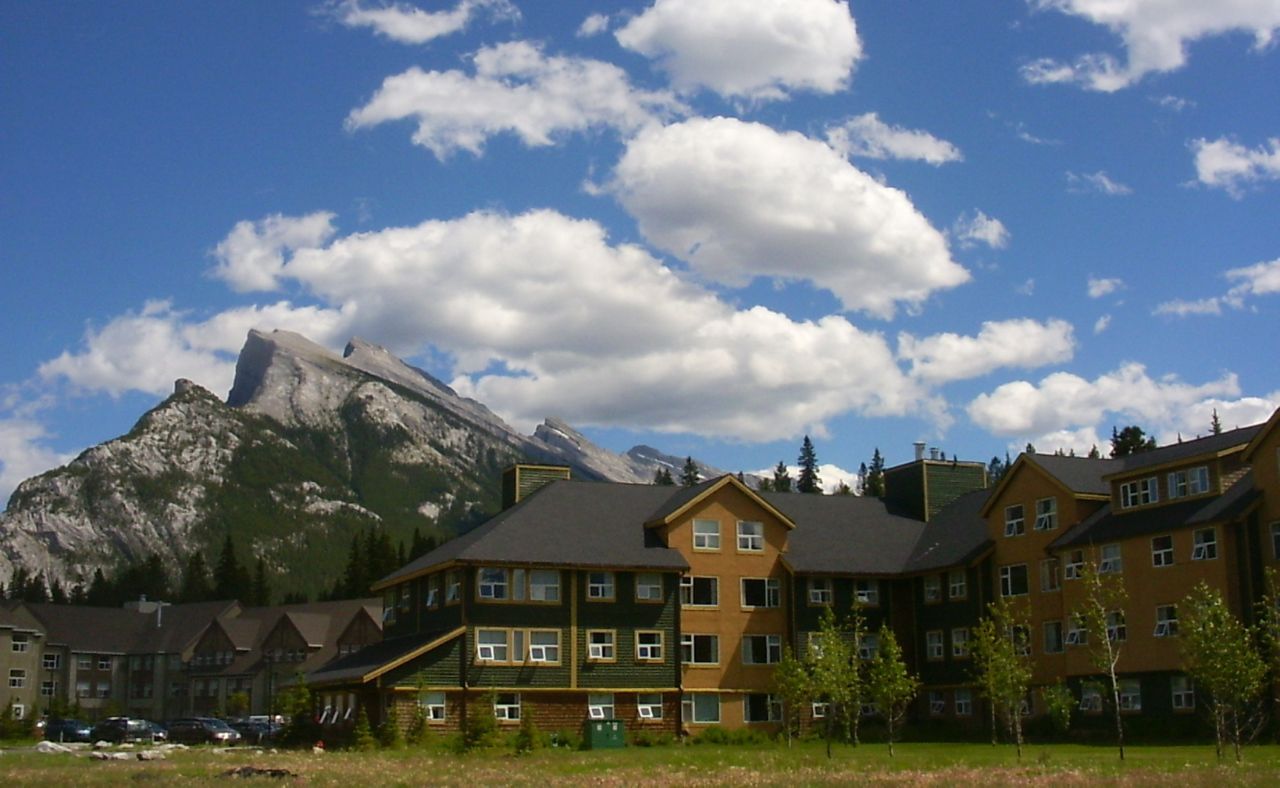
The Town of Banff is examining whether business licence fees could become a tool to help address the community’s long-standing staff housing shortage.
The idea surfaced in a report presented to council’s governance and finance committee last month during a review of the town’s business licence bylaw. While no housing-related changes are currently proposed, the report notes the bylaw could potentially be expanded to support broader policy priorities, including housing.
When asked about the concept, the Town of Banff said it reflects a broader philosophy that employers should play a role in housing their workforce.
“The business licensing process may help close the gap on housing in our community,” said Jason Darrah, communications director for the Town of Banff. “The Town’s philosophy is that employers should play a central role in providing adequate housing in the community, equivalent to their staffing needs.”
Banff has less than a 1% vacancy rate in rental housing and faces a shortage estimated between 700 and 1,000 homes. The issue particularly affects the roughly 40% of the town’s population made up of short-term workers, a problem that predates the town’s incorporation in 1990.
“When the Town of Banff municipal government was incorporated in 1990, there was already a housing shortage,” said Darrah. “The current tools for requiring private development of housing are not bridging the shortage.”
Historically, housing supply has been managed through the development approval process. When businesses build or expand facilities, the town assesses expected staffing increases and may require developers to build employee housing or contribute funds for future projects. However, that approach has limitations.
“The Town assesses the net-new housing impact of a development, and then requires the developer to either build adequate new housing for staffing, or contribute to the Town of Banff housing reserves through cash in lieu building housing. The cash contributions are intended for future building of new housing,” said Darrah. “This process has created some gaps, and likely contributed to our existing housing deficit.”
One challenge is that development permits only capture employment growth tied to construction. Businesses that expand their workforce without building new facilities can increase housing demand without triggering a requirement to provide staff accommodation.
For example, an existing restaurant that expands its service from lunch and dinner to all-day operations may require additional staff but would not trigger a development review.
A business licensing system, by contrast, could provide an annual check-in.
“Business licenses are something that have an annual check-in, which in turn may keep us more up to date on meeting our housing needs,” said Darrah.
Licensing could also be used to incentivize businesses to provide housing for employees by varying the base business licence fee based on the amount of housing a business provides for its workers.
“This approach would recognize businesses that provide adequate housing, and offer those businesses that are not currently contributing to the community housing need the opportunity to have a lower business licence fee by supporting employer-provided housing,” said Darrah.
Council is expected to revisit the issue later this year with a report examining additional tools to better manage housing demand, which would require public input before adopting any changes.

Reply