- Bow Valley Insider
- Posts
- Banff Childcare Shortage Leaves Families Struggling to Stay
Banff Childcare Shortage Leaves Families Struggling to Stay
More than 150 children remain on waitlists as families juggle work and care

Bow Valley Insider
March 29, 2026
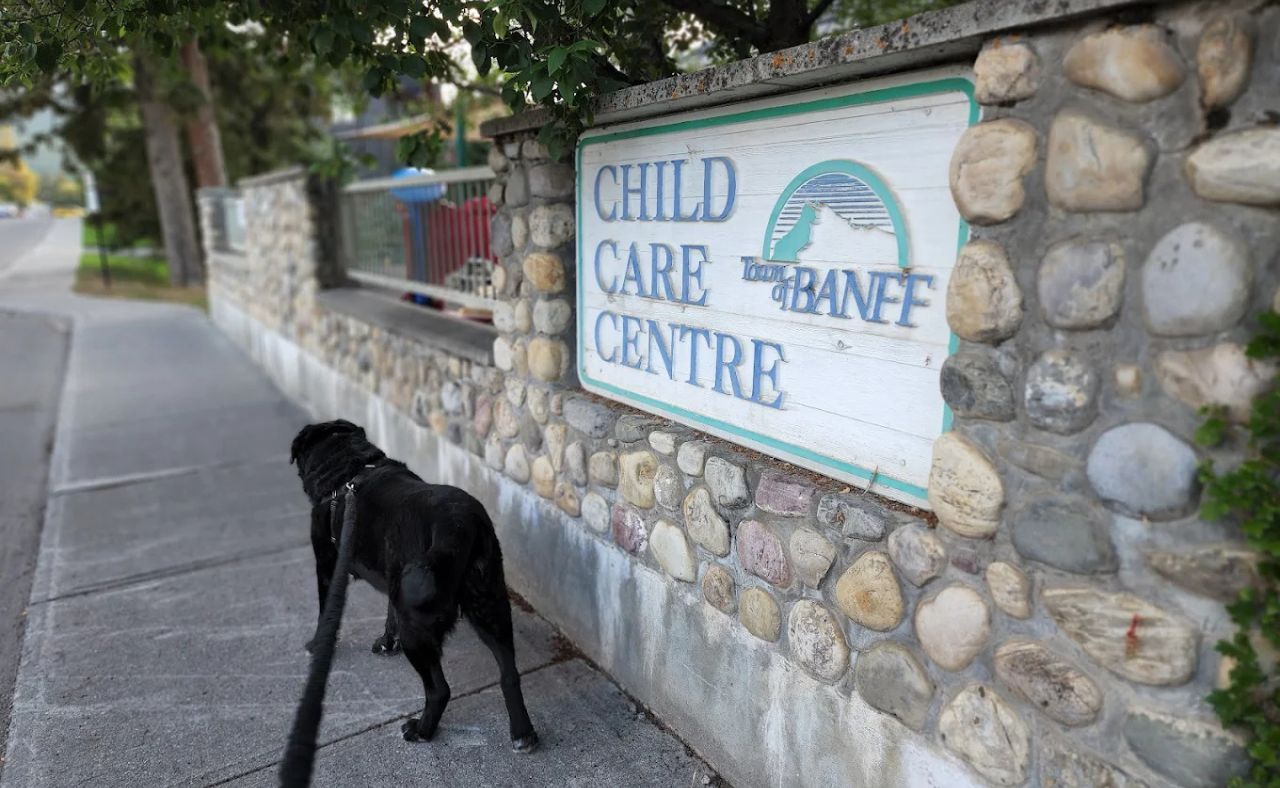
A year ago, Sylvia McCabe stood in front of Banff council as a new parent, asking for more childcare.
This week, she came back.
“A year later, I’m back,” she wrote in a public submission. “And unfortunately, for families like mine, not much has changed.”
She is still on the waitlist. Still without a daycare spot. Still trying to make it work.
“Before having my daughter, I worked at the Fairmont Banff Springs. I had a stable job and financial security. But without access to childcare, I wasn’t able to return.”
Now, she works about 15 hours a week.
“The reality is, I am barely earning an income.”
More Than 150 Children Waiting for 146 Spaces
The scale of the shortage is not new, but it remains unresolved.
One submission to council described “over 150 children and an ever-growing waitlist of kids waiting for 146 fully occupied spaces.”
That gap is forcing families into difficult tradeoffs.
“My family is still without childcare, meaning I can only work part time, on the days my husband has off,” wrote Anna Houghton. “This has taken a toll on us mentally and financially.”
Another parent, Matthew Perdeaux, said the shortage is pushing households into single-income living in one of Canada’s most expensive communities.
“Living on one income creates real financial strain and uncertainty,” he wrote. “Many parents want to return to work but are prevented from doing so due to limited childcare access.”
Families Are Piecing Together Workarounds
Without formal childcare, many families are building patchwork solutions.
Meagan Teodoro and Tyler Wickens described juggling schedules, relying on friends, and exhausting leave from work just to cover care for their toddler.
“We’ve both exhausted our sick and vacation days. We barely spend meaningful time together, and we are exhausted.”
They tried everything. Waitlists across Banff and Canmore, informal care arrangements, even bringing in family for temporary help.
None of it has worked long term.
“The stress and uncertainty around childcare has been constantly overwhelming,” they wrote, adding that some families are choosing to leave altogether.
A Workforce Issue in a Tourism Economy
The impact extends beyond individual households.
Parents repeatedly tied the childcare shortage to Banff’s workforce challenges, particularly in a town built on tourism and service jobs.
McCabe pointed to major employers like the Fairmont Banff Springs and Parks Canada, saying starting a family can destabilize both work and housing.
“In some cases, staff accommodation is no longer an option once you have a child,” she wrote. “Families are not only losing childcare access, but also housing stability at the same time.”
Others warned that the issue could reshape who is able to live in Banff at all.
“Please do not let childcare become another reason Banff risks losing the families that help keep it vibrant and sustainable,” Perdeaux wrote.
Town Progress Has Not Reached Families Yet
At the March 24 Governance and Finance Committee meeting, town staff presented an update on the 2024 Childcare Needs Assessment, outlining steps taken over the past year to address the shortage.
A new childcare space, Elements Childcare, is set to open in a church facility with a temporary three-year term.
Since the original report was tabled in April 2025, administration said six of the nine recommendations have been actioned through a mix of municipal support and community partnerships.
That work includes:
Supporting the creation of additional childcare space
Expanding program hours at existing providers
Exploring extended and weekend care options
Reducing barriers for new day home operators
Working with providers on wages and benefits
Developing a centralized childcare information resource
The town also noted it has been in discussions with additional groups interested in opening childcare spaces, though none have moved forward yet.
But for families on the ground, those updates have yet to translate into access.
“While we truly appreciate that a third childcare space is in development, it has been nearly a year with little progress and no meaningful updates,” Teodoro and Wickens wrote.
Calls for Faster, Interim Solutions
Several submissions urged council to act more urgently, not just on long-term planning but immediate relief.
Suggestions included:
Emergency interim childcare plans
Incentives for new day home providers
Converting underused spaces into childcare
Partnering with major employers to create new capacity
“Families urgently need a temporary solution while long-term facilities are developed,” one submission stated.
Others called for fairness in how existing spaces are allocated, arguing newer families are at a disadvantage.
“This Isn’t About Choosing to Stay Home”
Across submissions, a common theme emerged. This is not about lifestyle.
“This isn’t about choosing to stay home,” McCabe wrote. “This is about not having a choice.”
That lack of choice is shaping financial stability, careers, and whether families can remain in Banff at all.
“We’re not building toward our future here,” she wrote. “We’re just trying to get through each month.”
Childcare as Essential Infrastructure
Many parents framed childcare not as a service, but as infrastructure.
“Childcare isn’t just a convenience. It is essential infrastructure,” McCabe wrote. “It allows parents to work, supports local businesses, and contributes to the long-term sustainability of this community.”
Council received the update for the record. No immediate decisions were made.
For families still waiting, the timeline matters.
“Because behind every waitlist number is a family like mine,” McCabe wrote, “doing everything we can to stay.”
Reply