- Bow Valley Insider
- Posts
- Albertans Asked to Help Shape Future of Ghost-Kananaskis Lands
Albertans Asked to Help Shape Future of Ghost-Kananaskis Lands
A new provincial survey is seeking input on recreation, conservation and land use across the vast mountain landscape west of Calgary

Bow Valley Insider
March 08, 2026
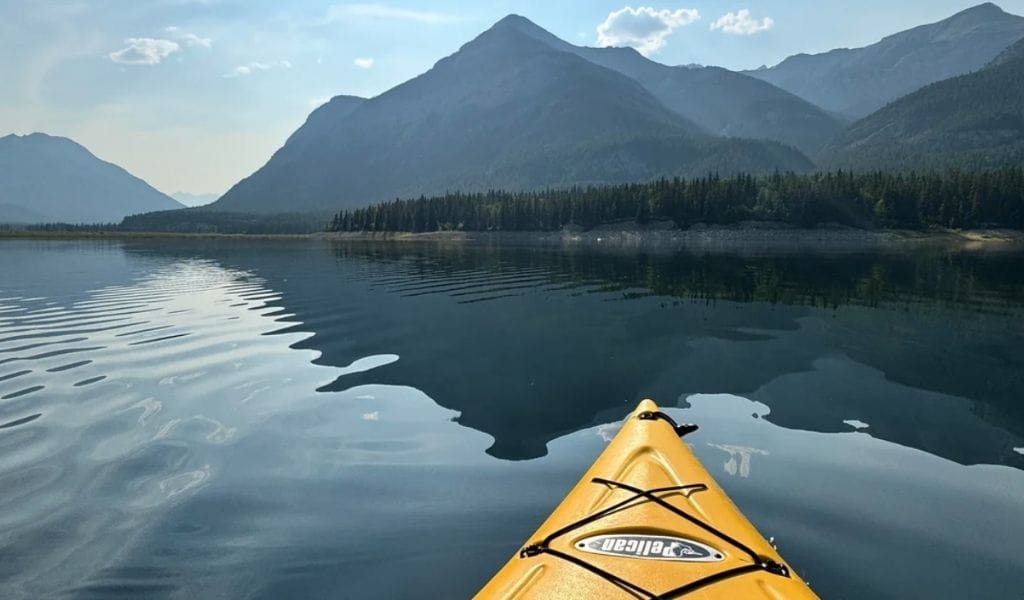
The Government of Alberta is asking Albertans to help shape the future of one of the province’s most heavily used outdoor playgrounds.
A new public survey is now open as part of the first phase of engagement for the Ghost-Kananaskis Sub-regional Plan, a long-term land-use framework that will guide how the region is managed for recreation, conservation, and economic activity.
The online survey takes roughly five to ten minutes to complete and remains open until June 5, 2026.
Provincial officials say the plan will help address growing demand for recreation while balancing environmental protection and resource development across a large swath of public land west of Calgary.
A vast landscape west of Calgary
The Ghost-Kananaskis planning area spans a huge stretch of Alberta’s eastern slopes, covering mountains, forests, river valleys and foothills stretching west from the Calgary region toward the Rocky Mountains.
The area includes well-known destinations such as Peter Lougheed Provincial Park, Spray Valley, Sheep River, Elbow-Sheep Wildland, Bow Valley Provincial Park and Don Getty Wildland Park, along with dozens of provincial recreation areas.
Together, the region covers nearly 6,900 square kilometres, according to provincial information released alongside the survey.
A government map shows the planning boundary stretching from the Ghost Public Land Use Zone north of Cochrane down through Kananaskis Country and south toward the Sheep River and Bluerock areas.
The area sits on Treaty 7 territory and includes a mix of Crown land, provincial parks, and protected areas.
Why the province is creating a new plan
Sub-regional plans are intended to provide clearer direction for how public land is managed.
Currently, land use in the Ghost-Kananaskis region is guided by a patchwork of policies, including the South Saskatchewan Regional Plan, park management plans, public land use zones and recreation policies.
The new plan aims to consolidate and modernize those frameworks.
According to the provincial fact sheet, sub-regional planning is meant to “streamline, consolidate, or archive outdated policies,” while creating clearer guidance for recreation, industry and environmental management.
Officials say the planning effort will also provide “regulatory certainty and policy direction” for the area as visitation continues to grow.
A region used by everyone
For many Albertans, the Ghost and Kananaskis regions are synonymous with outdoor recreation.
On any given weekend, the landscape draws a wide range of users.
Popular activities include:
Hiking and scrambling in the front ranges
Mountain biking and trail running
Camping and backcountry trips
Off-highway vehicle riding in designated areas
Fishing and paddling
Hunting in public land use zones
Rock and ice climbing
Skiing and snowshoeing in winter
The Ghost area north of Cochrane, in particular, is known for its network of rough forestry roads and staging areas that attract off-road vehicle users, hunters and dispersed campers.
Further south, Kananaskis Country sees heavy use from hikers, cyclists, climbers and skiers visiting destinations such as Ptarmigan Cirque, Rawson Lake, Chester Lake and Ribbon Creek.
Visitation has surged in recent years as more people seek outdoor recreation close to Calgary.
That growth has also created new pressures on trails, wildlife habitat, and infrastructure.
What the province is asking
The first phase of engagement focuses on gathering feedback about the overall vision and priorities for the region.
The draft vision for the plan states the landscape should be managed so that:
“Conservation, cultural, recreational and tourism values coexist in harmony,” while protecting headwaters and biodiversity and supporting responsible land use.
Participants are also asked to weigh in on several proposed outcomes for the plan.
These include:
Ensuring recreation and tourism remain sustainable as demand grows
Managing human impacts on biodiversity and water quality
Protecting headwaters
Supporting Indigenous traditional land uses
Sustaining the region’s natural resource economy
Reducing wildfire risk
Streamlining land-use policies
The survey also includes an interactive map where people can drop pins showing where they recreate in the region and what activities they do there.
More consultation coming later
This first round of feedback will help the province develop a draft sub-regional plan, which will then go through a second round of engagement later in 2026.
That next phase will focus on reviewing the detailed policies and land-use rules proposed for the region.
The final plan is expected to guide land-management decisions for years to come.
For residents of the Bow Valley and Calgary region, the process could shape how one of Alberta’s most popular recreation landscapes evolves as demand continues to grow.
Reply