- Bow Valley Insider
- Posts
- Alberta To Increase Tourism Levy On Hotels and Short-Term Rentals By 50%
Alberta To Increase Tourism Levy On Hotels and Short-Term Rentals By 50%
The increase is expected to generate about $66 million in additional revenue in 2026-27, but Banff and other tourism communities say none of the funds return directly to municipalities hosting millions of visitors

Bow Valley Insider
March 10, 2026
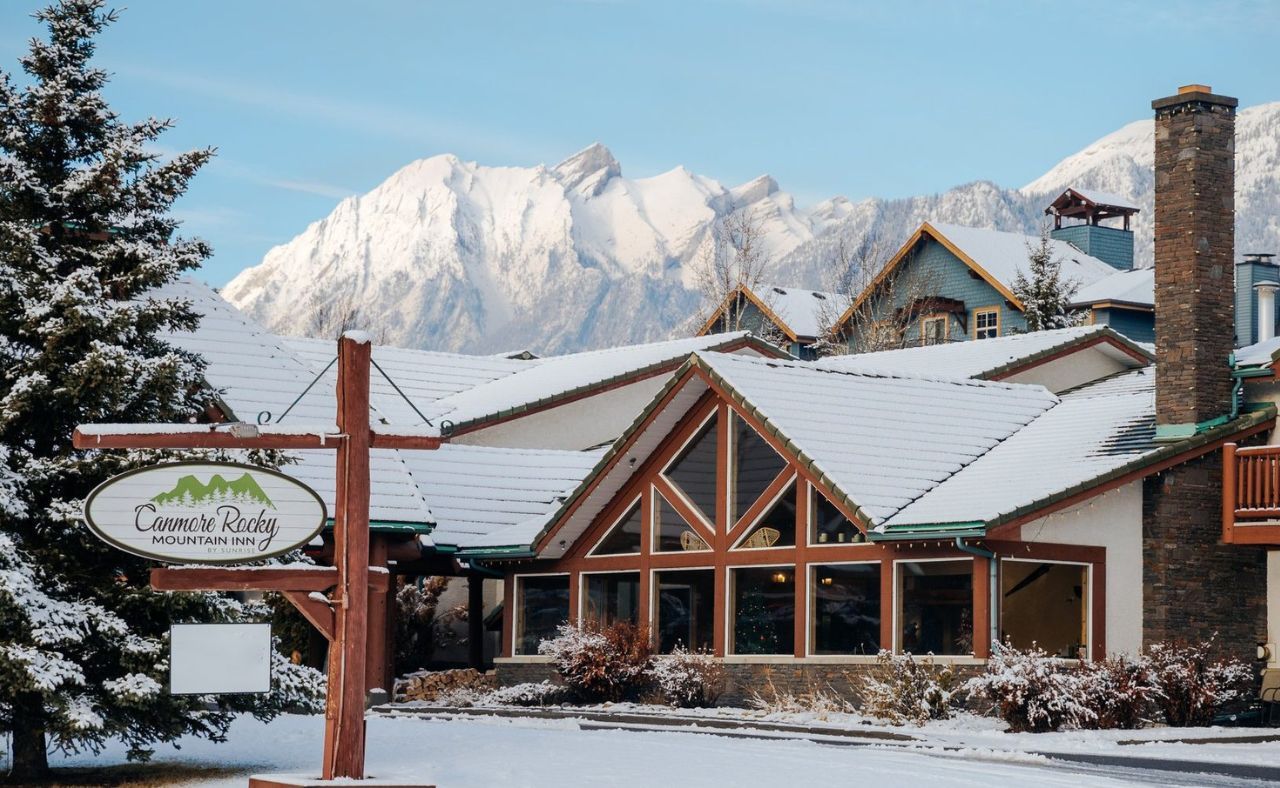
Alberta is raising the tourism levy on hotel stays as it works to grow the province’s tourism industry, but tourism operators and mountain municipalities are questioning what the increase will mean for travellers and local communities.
Beginning April 1, the levy will increase 50% from 4% to 6% on temporary accommodations such as hotels, motels, and short-term rentals. The levy is collected by hotels and other operators and remitted directly to the province.
The increase is part of Alberta’s 2026 budget and is expected to generate about $66 million in additional revenue in the 2026-27 fiscal year, bringing total levy revenue to roughly $200 million and rising to $214 million by 2028-29.
The revenue flows into the province’s general revenue and is allocated at the government’s discretion, with only a portion of those funds directed to Travel Alberta.
“Despite its name, the Tourism Levy is effectively a hotel sales tax,” said Tracy Douglas, president and chief executive officer of the Alberta Hotel and Lodging Association (AHLA). “Only about 40% will be directed to Travel Alberta for tourism promotion and destination development.”
The change comes as the province accelerates efforts to grow its tourism economy. Alberta’s tourism strategy sets a goal of reaching $25 billion in annual visitor spending by 2035.
The province says the increase is intended to ensure visitors help pay for the infrastructure and services they use while travelling in Alberta.
“When visitors come to Alberta, they benefit from provincially funded infrastructure and services, such as highways, emergency health care, public safety, provincial parks, and tourism infrastructure,” said Marisa Breeze, press secretary for Alberta’s Ministry of Treasury Board and Finance. “The government is introducing targeted revenue measures to help ensure non-Albertans pay their fair share while visiting Alberta.”
Even with the increase, the province remains among the lowest tourism-tax jurisdictions in Canada.
“Alberta has no provincial sales tax and has no plans to introduce a provincial sales tax, like the other provinces,” said Breeze. “Alberta would remain among the lowest comparable tourism tax jurisdictions in Canada.”
However, tourism operators and municipal leaders in some of the province’s busiest destinations say the increase raises questions about who will benefit from the additional revenue.
Hotels are responsible for administering the levy, including absorbing credit-card processing fees associated with collecting the tax. The Alberta Hotel and Lodging Association estimates hotels paid about $2.8 million in those fees in 2024, a figure expected to rise to roughly $4 million after the increase.
Additionally, Douglas said the majority of people paying the levy are Albertans themselves.
“According to Travel Alberta, 80% of visitation in our province comes from Albertans themselves. This increase will affect Albertans travelling for tournaments and sporting events, family gatherings, and work,” said Douglas. “With affordability already a concern, higher accommodation costs make travel less accessible and reduce competitiveness with other jurisdictions.”
The province disputes that residents pay most of the levy, saying a majority of payments come from visitors.
“The number of non-Albertan versus Albertan visitors changes year-to-year and private sector reporting remains several years behind,” said Breeze. “However, consistently more than 55% of people who would pay the levy are non-residents of Alberta.”
As tourism grows, leaders in mountain communities that host millions of visitors each year say the financial pressures of maintaining infrastructure are increasingly falling on local taxpayers, as none of the tourism levy revenue collected from accommodations in those towns returns directly to municipalities.
“None of this is allocated to municipalities for tourism. The Town of Banff does not get any of this revenue,” said Jason Darrah, communications director for the Town of Banff.
Provincial infrastructure funding for municipalities is distributed through Alberta’s Local Government Fiscal Framework. The program was reduced by 2.5% this year, while Banff’s allocation dropped 7%, or about $112,639.
Banff sees about four million visitors each year, placing significant strain on municipal services and infrastructure.
Darrah said almost half of the town’s municipal budget, over $20 million annually, supports services required by visitors, including waste management, sewer treatment, road maintenance, snow clearing, policing, and emergency response. Those costs are largely borne by about 3,000 property owners, including roughly 300 local businesses, in a town of about 9,000 residents.
“In Banff, almost half of our budget goes toward supporting the needs of four million visitors each year,” said Darrah.
Canmore Mayor Sean Krausert said tourism communities often must build larger and higher-quality infrastructure to serve both residents and visitors.
“We have to build more and better infrastructure to service the visitor population, which unfortunately is then carried on the shoulders of the local taxpayer,” said Krausert.
The Town of Banff also raised concerns about the impact the increase could have on local accommodation providers.
“In addition to the extra charges, they also have to overhaul their accounting systems and billing processes before April 1. Some people book months or years in advance based on a price at that time, which will now be higher,” said Darrah.
Despite those concerns, Krausert said the levy increase itself is unlikely to significantly affect travel patterns in the region.
“Tourism levies are normal charges that visitors expect to pay as part of their lodging costs,” Krausert said. “I think the relatively small size of the levy will not have any discernible change to visitation patterns, length of stay or spending behaviours.”
The provincial budget also introduces another tourism-related tax beginning Jan. 1, 2027: a 6% tax on passenger vehicle rentals expected to generate about $36 million annually once fully implemented.
Darrah said the rental tax could have mixed effects in destinations such as Banff. While it may add to visitor costs, it could also encourage travellers to use transit rather than rent a car at Calgary’s airport.
“Visible disincentives to driving a personal vehicle are good, when cheaper and more affordable alternatives are available,” he said, noting that personal vehicles remain the largest source of greenhouse gas emissions linked to tourism in Banff.
As Alberta works to expand its tourism industry, the debate over who pays, and who benefits, from tourism-related taxes is likely to continue.

Reply