- Bow Valley Insider
- Posts
- Alberta Introducing New Rules for Tourism Marketing Fees
Alberta Introducing New Rules for Tourism Marketing Fees
The province says the legislation is aimed at eliminating hidden tourism fees while creating stricter oversight for how destination marketing funds are collected and spent in places like Banff and Canmore
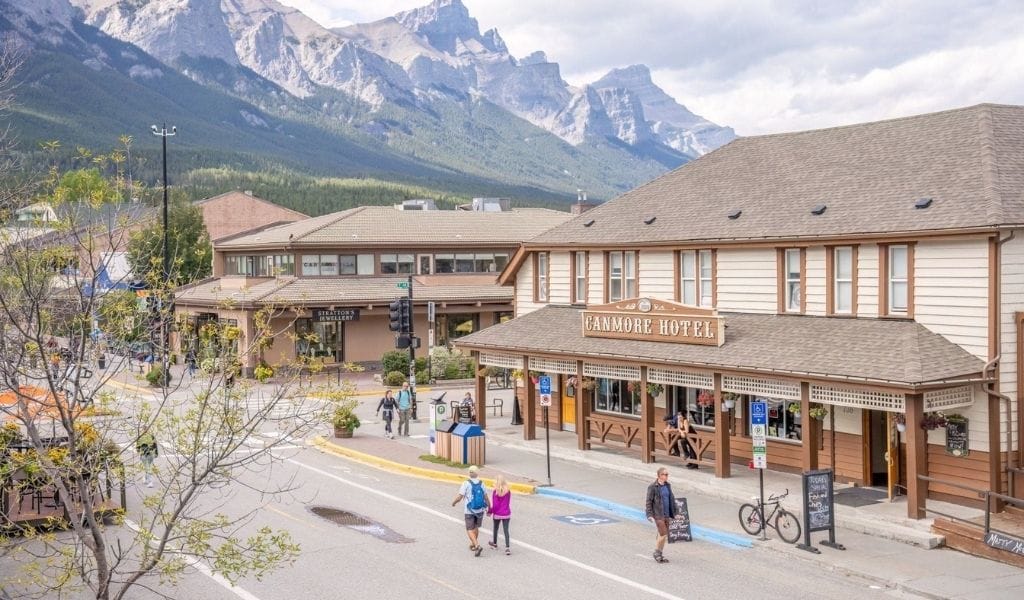
Alberta’s new Traveller Protection and Destination Development Act will introduce provincewide rules governing how destination marketing fees are collected and managed in places like Banff and Canmore.
These fees, often added to hotel bills, help fund local tourism organizations that market destinations and support tourism-related projects.
In Banff and Lake Louise, for example, Banff & Lake Louise Tourism says about 85% of its funding comes from the Tourism Improvement Fee charged on overnight stays. The organization reported total revenues of roughly $17.8 million in 2025.
Tourism Canmore Kananaskis, meanwhile, publicly advertises a 2% destination marketing fee model managed through an independent third-party trustee.
The province says the legislation is primarily aimed at improving transparency around those fees and cracking down on hidden tourism charges.
The law would not create new tourism fees or make them mandatory. Instead, it would establish rules around how existing fees are collected, managed and disclosed to visitors.
“Many tourism businesses already charge their customers right now, with the intent to help support local destination marketing and development,” Tourism and Sport Minister Andrew Boitchenko said during the province’s February announcement.
Under Bill 16, hotels and tourism operators could still choose whether to charge the fee. But businesses that do collect it would face new rules around where the money goes, how it’s tracked and how it’s reported to the province.
“While most businesses operate in good faith, some businesses engage in deceptive practices where they charge DMFs and keep the proceeds to pay their bottom line,” Boitchenko said. “Not only is this misleading to consumers, but it also undermines local destination promotion and development efforts.”
The legislation would require businesses to send all collected tourism marketing fees to provincially approved third-party trustees that manage the money separately from normal business revenue.
Businesses would also no longer be allowed to keep any portion of the tourism marketing fees for their own operations or profits.
The legislation introduces provincial inspection powers, investigations, administrative penalties and potential fines of up to three times the amount improperly obtained, along with possible imprisonment for serious offences.
In Banff and Lake Louise, the Tourism Improvement Fee is currently tied to local bylaws and contractual agreements. In Canmore and Kananaskis, Tourism Canmore Kananaskis already operates through an independent trustee model funded largely by voluntary hotel and tourism-business contributions.
The legislation would also limit how tourism marketing fees can be used. According to the province, eligible uses are expected to include destination marketing, visitor experience initiatives, tourism development and tourism-related administration.
The money could not be transferred to municipalities except as payment for tourism-related goods or services.
Throughout the legislation’s rollout, tourism organizations repeatedly emphasized the importance of keeping the system voluntary and industry-run rather than moving toward a provincially imposed tourism tax model.
“We thank the Government of Alberta for listening to our members and introducing destination marketing fee legislation built on transparency, accountability and good governance,” said Tracy Douglas, president and CEO of the Alberta Hotel and Lodging Association. “Legislation that keeps participation voluntary, ensures the system remains industry-driven rather than government-administered or destination marketing organization set, and drives local economic growth for Alberta’s tourism sector.”
Industry groups repeatedly contrasted Alberta’s approach with British Columbia’s Municipal and Regional District Tax system, which functions as a provincially legislated accommodation tax.
“This remains a fee,” said Tourism Calgary CEO Alisha Reynolds. “So it remains voluntary for collection.”
Tourism groups have emphasized that Alberta’s system would remain voluntary and industry-run, unlike British Columbia’s hotel tax model.
Tourism Canmore Kananaskis has publicly supported the legislation.
“We’ve been advocating for clearer rules around destination marketing fees for quite some time,” said CEO Rachel Ludwig.
She said clearer governance “gives businesses confidence to participate, ensures visitors know exactly where their money is going, and allows community members to know the funds are staying local.”
The legislation also targets so-called “drip pricing,” where mandatory fees are only revealed late in the booking process.
If requested by a customer, accommodation providers would be required to explain the purpose of mandatory tourism fees and how the money will be used. Mandatory accommodation and tourism-related fees would also need to be clearly disclosed at the time of booking.
For most visitors, the changes likely would not dramatically alter hotel bills in destinations like Banff or Canmore, where tourism marketing fees already commonly appear on accommodations. The biggest difference may be clearer disclosure around the fees and stricter provincial oversight over how the money is handled.
Several details of the new framework, however, are still being finalized. Reporting standards, compliance rules, eligible spending categories and possible exemptions are expected to be outlined later through provincial regulations that have not yet been publicly released.

Reply